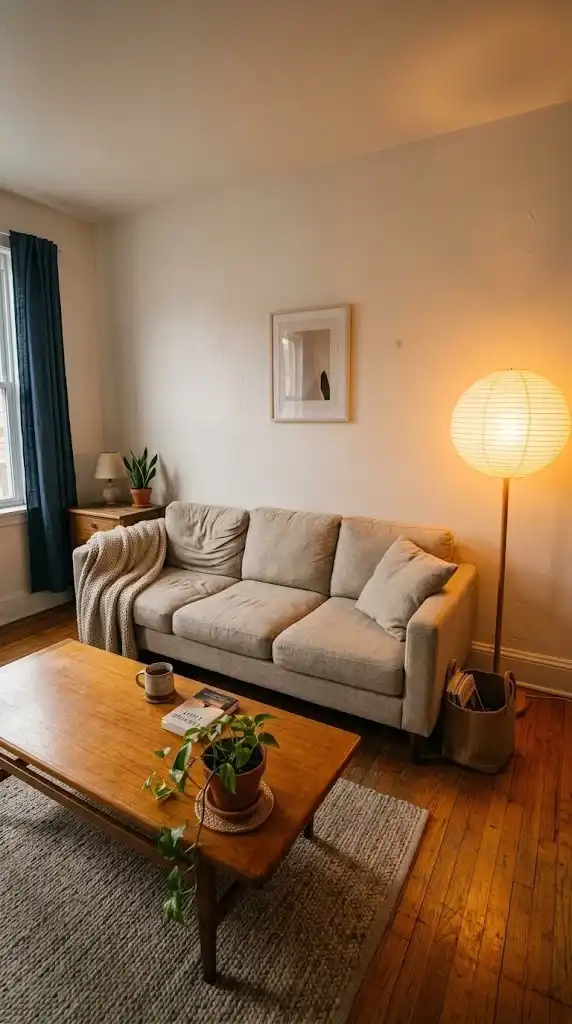
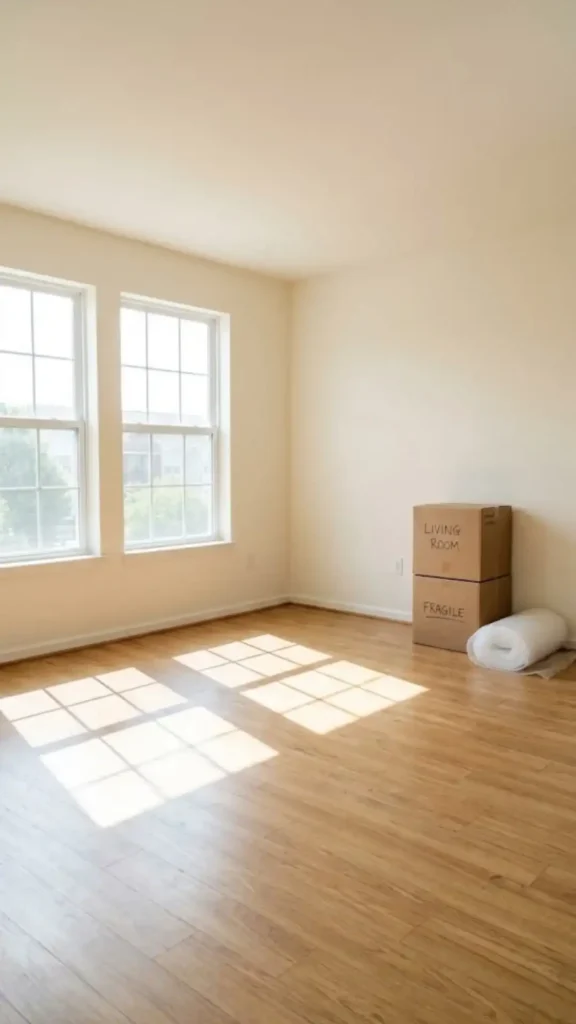
Staring at an empty living room is thrilling until you check your bank account. You want the matching velvet sofa and the vintage rug right now.
Filling an apartment with one credit card swipe is a fast track to financial stress. Furnishing your very first apartment without debt requires a ruthless timeline prioritizing functional pieces first. You must use strategic secondhand hunting and stopgap solutions to avoid credit card strain.
You can build a home you actually like without carrying high interest rates for years. Ready to make a real plan?
Mapping the First-Month Essentials vs. the Six-Month Wishlist
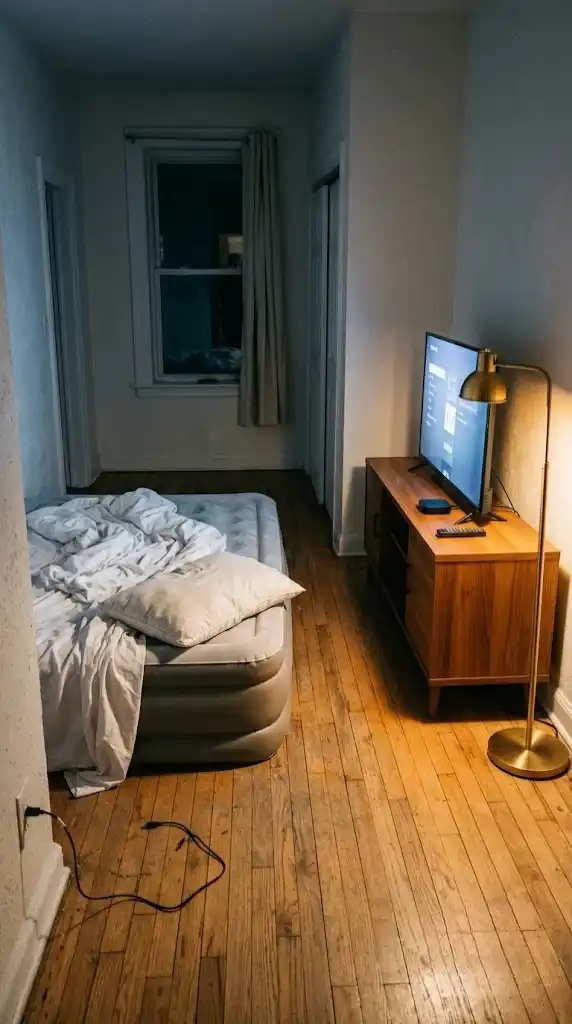
Imagine sleeping on an air mattress for three weeks while staring at a gorgeous new media console. That is exactly what happens when you buy out of order. Your day-one budget needs a strict hierarchy. A quality mattress is your only absolute necessity.
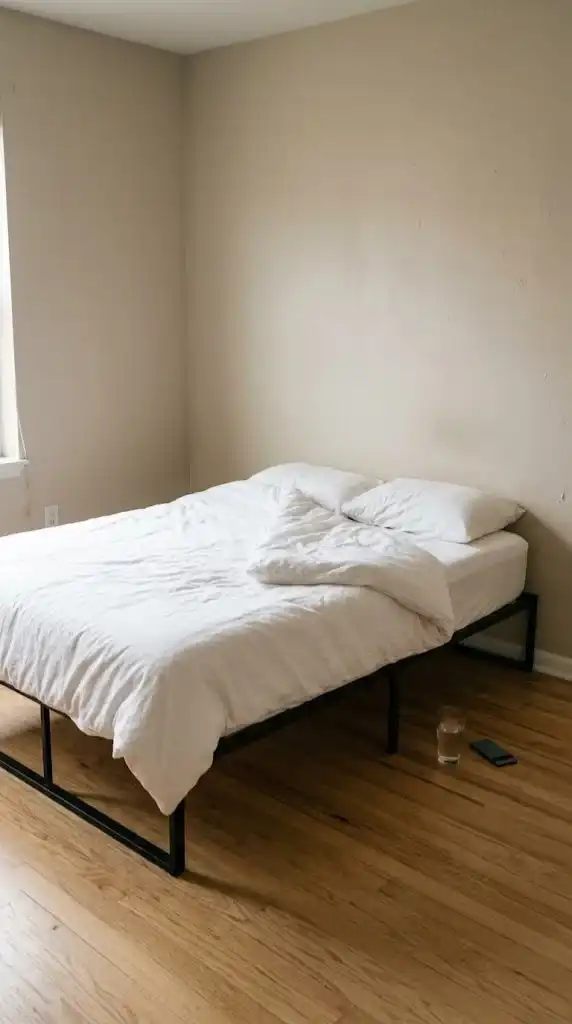
Look for options in the $300 to $500 range. Brands like Zinus or a Novilla memory foam bed ship quickly in a box. Add a $50 basic metal platform frame from Amazon, and you are set for sleep.
You do not need a headboard right now. Next, secure exactly one functional place to sit. A single comfortable armchair or a clean secondhand loveseat works perfectly.
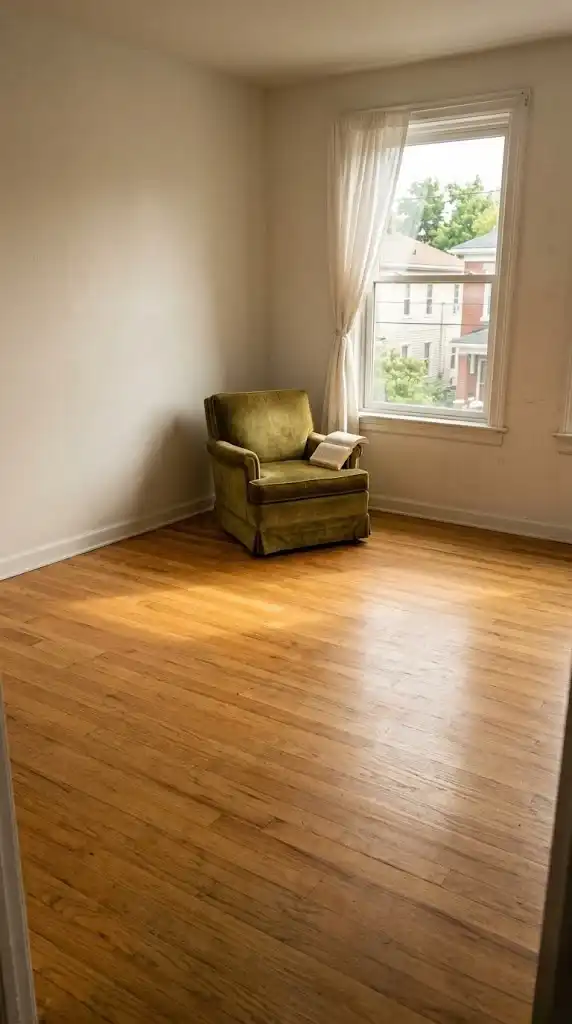
However, you must delay the non-essentials. Rugs, coffee tables, and matching nightstands belong on a six-month wishlist. Buying these pieces too early often leads to regret. You might buy a rug that completely clashes with the sofa you eventually find.
Living in an unfinished space feels strange at first. You will hear echoes in your living room and stare at bare floors. But the mental trade-off protects your financial health. You are choosing temporary awkwardness over long-term monthly payments.
Waiting to buy a $400 rug until you actually have the cash in hand builds patience. A slow timeline forces you to learn how you actually use the room.
Hunting Facebook Marketplace and Estate Sales for “Good Bones” Furniture
Scrolling through local resale apps often feels like digging through a digital trash bin. You can easily waste hours looking at overpriced particle board. You need specific techniques to filter out the junk.
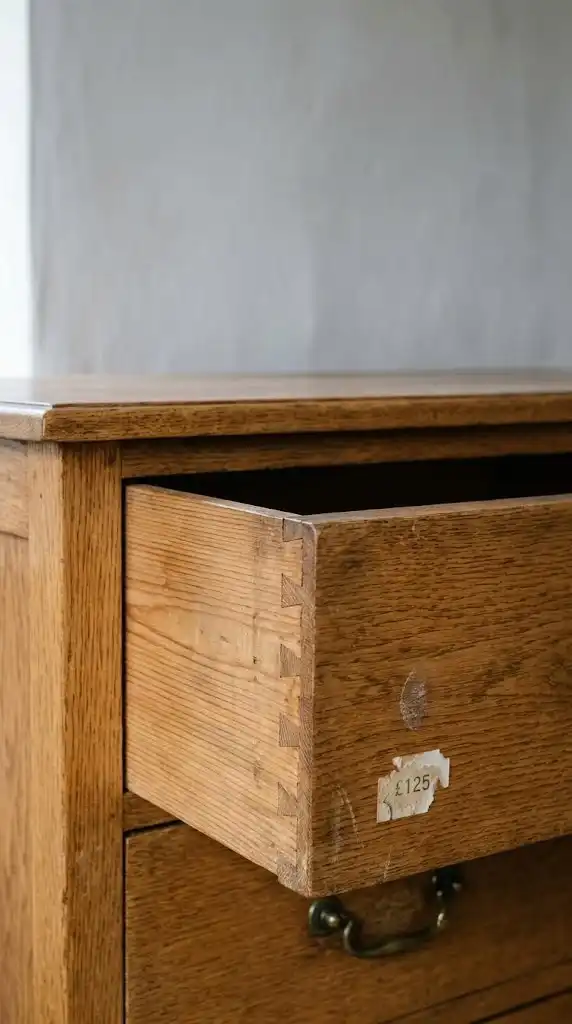
Try searching for terms like “solid wood,” “vintage,” or “dovetail joints” on Facebook Marketplace. These keywords pull up older pieces built to last. A solid oak dresser from 1980 will outlive any modern budget buy.
Expand your search to include local estate sales. Companies often discount remaining furniture by fifty percent on the final day of a sale.
But you must look out for the hidden costs of secondhand hunting. You might need a $20 local truck rental from Home Depot to move a heavy sofa. Gas money and a friend’s time also factor into the final price.
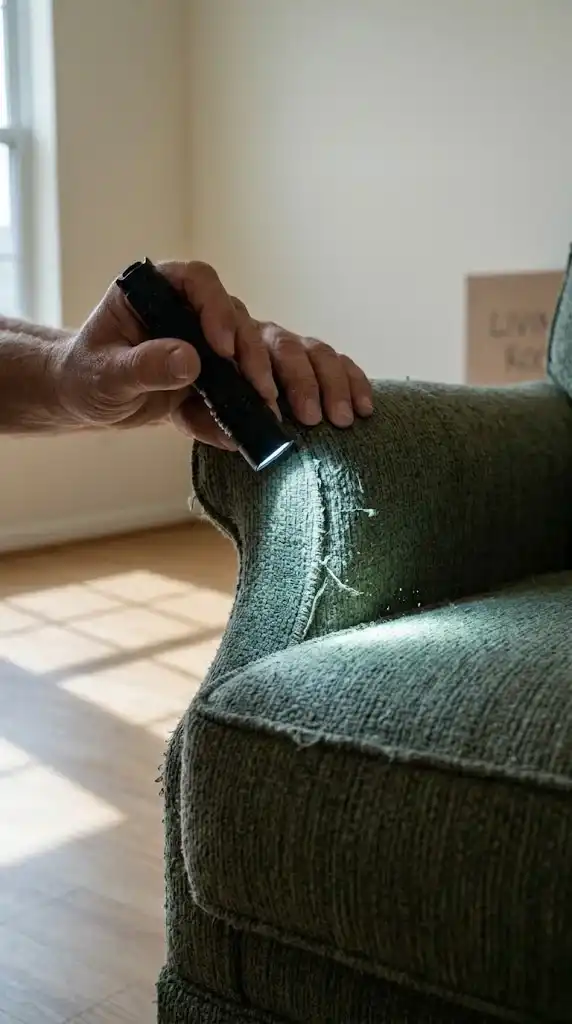
Always do a serious safety check before bringing a piece inside. Inspect every seam of an upholstered chair with a flashlight. You must absolutely avoid bringing bed bugs into your new apartment.
Pull out wooden drawers to check for structural cracks along the metal or wood tracks. Smell the inside of cabinets for deep mildew. Finding a pristine mid-century table for fifty bucks feels incredible. You just have to put in the labor to get it home safely.
The Doorway Clearance Check: Measuring Tight Entryways and Corners Before Committing
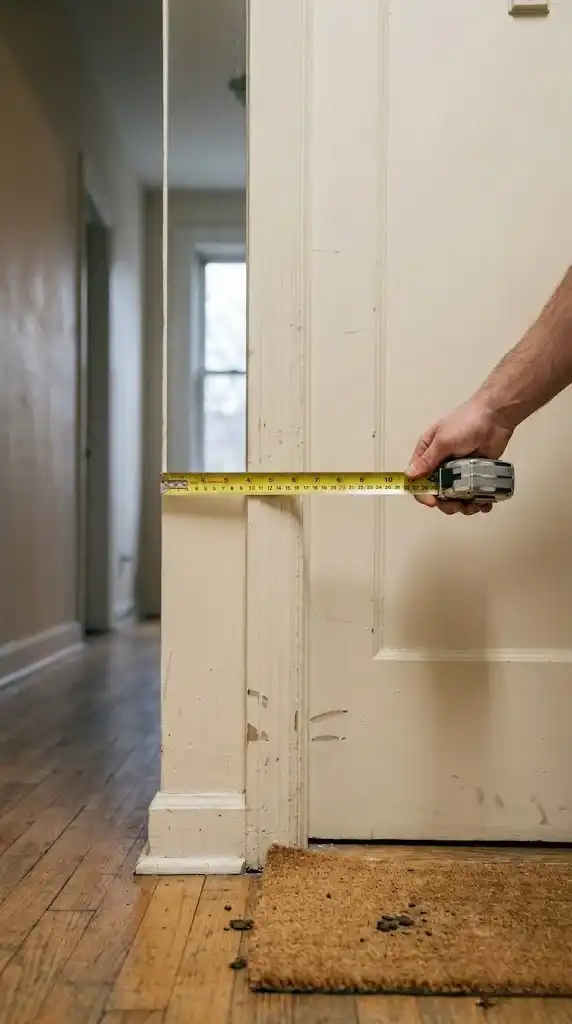
Imagine hauling a 90-inch sofa up three flights of stairs just to realize it will not fit through your front door. This heartbreak happens every single day in apartment buildings. You must measure your actual space before buying large-scale pieces.
Standard apartment door frames usually measure just 32 inches wide. Older buildings might have even narrower entryways. You also need to measure narrow stairwells and the tight hallway corners leading to your unit.
A beautiful credenza becomes useless if it gets stuck in the elevator lobby. Take a tape measure to the actual path the furniture will travel.
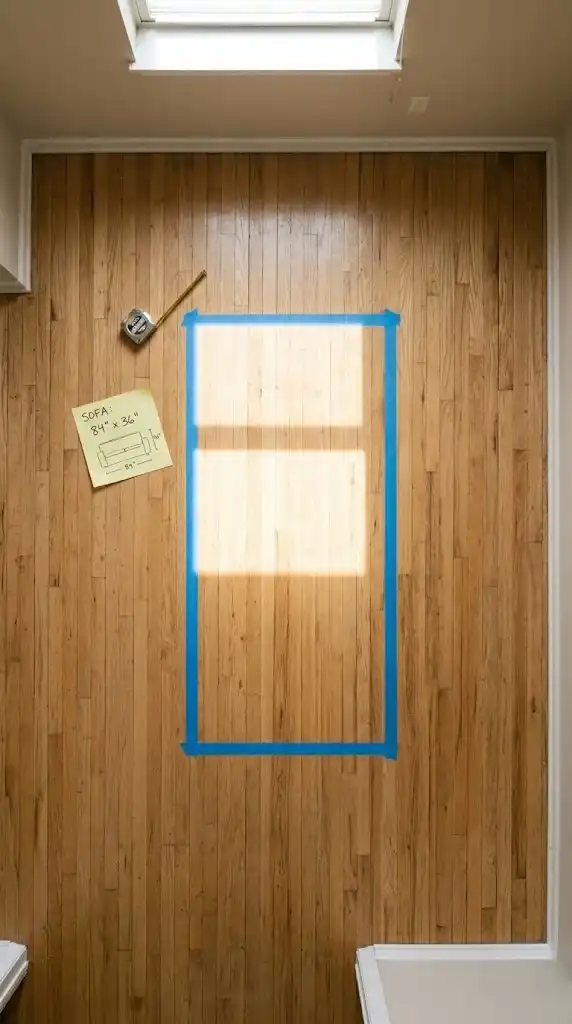
Once you know a piece fits through the door, you must check how it fits in the room. Buy a cheap roll of blue painter’s tape. Map out the exact footprint of a potential sofa or dining table directly on your floor.
However, tape outlines often feel smaller than the real 3D object. A solid block of furniture takes up significant visual weight. Leave at least 36 inches of walking space around major items.
This clearance ensures you can actually walk past your coffee table. Mapping the floor prevents you from buying a huge couch that physically chokes the room. Does the layout give you enough room to actually breathe?
Flat-Pack Realism: Where Ikea Wins and Where Cheap Particle Board Warps
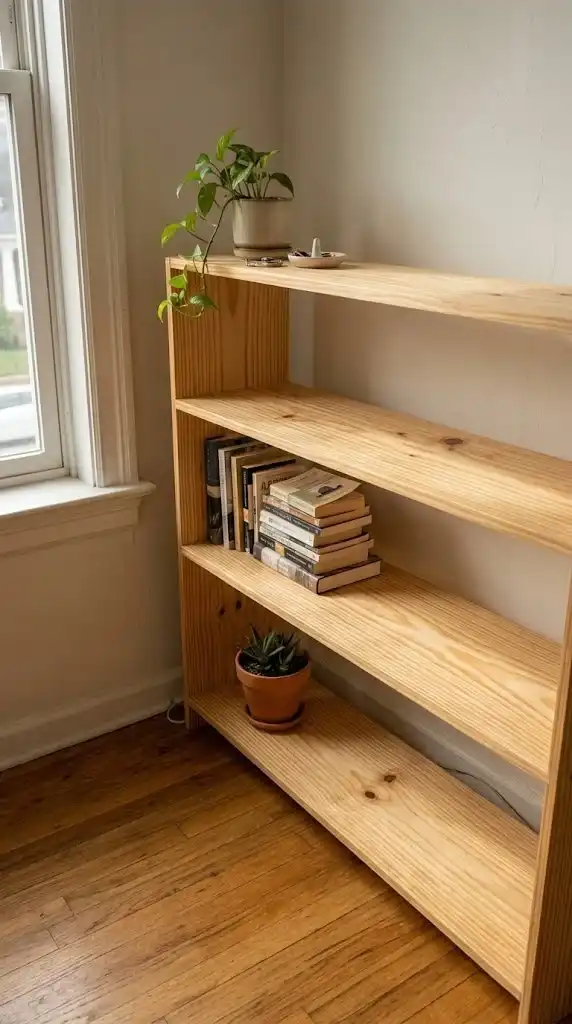
Buying a car full of flat-pack furniture is practically a rite of passage. The prices look great when you need to furnish three rooms on a tight budget. You have to know exactly what materials you are actually taking home.
IKEA wins when you stick to their solid wood budget lines. The solid pine IVAR shelving or the HEMNES bedroom series offer real durability.
You can sand and paint these pine pieces later if your style changes. Using wood glue on the wooden dowels during assembly greatly increases their lifespan.
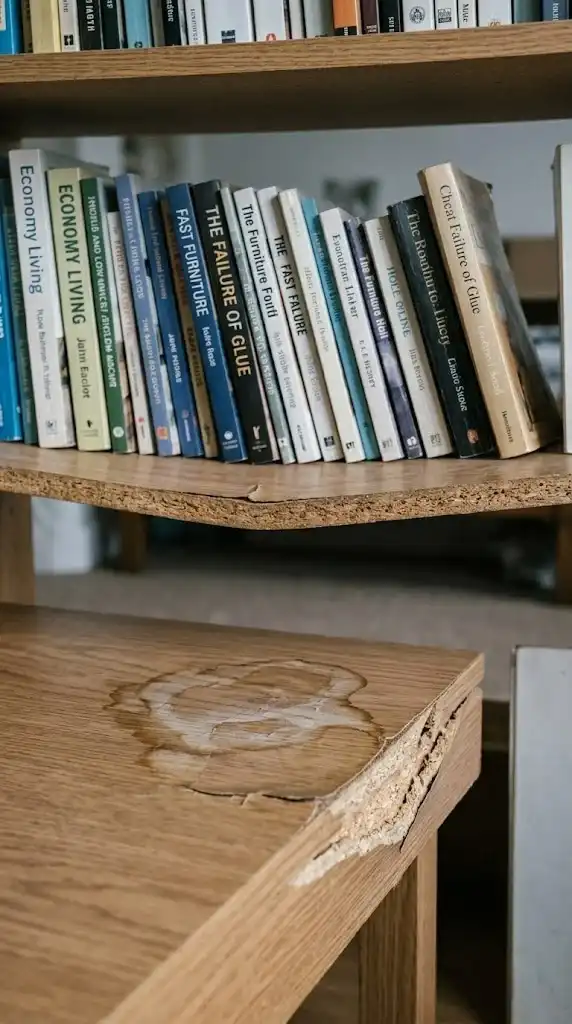
But you need to avoid the ultra-cheap hollow-core items like the classic LACK tables. These pieces use thin veneers over cardboard honeycomb structures. The long-term trade-off of cheap MDF furniture shows up fast. Bookshelves made of particle board often bow under the weight of a few heavy textbooks.
Water rings will permanently bubble the fake wood finishes on a cheap coffee table. Worse, these fragile pieces usually disintegrate entirely during your next apartment move. Screws rip easily out of the particle board when shifted.
Spending an extra fifty dollars for real pine now saves you from buying the exact same piece again next year. A smart budget choice means buying something that survives a moving truck.
The Impulse Decorating Trap That Leads to Credit Card Debt and Cohesion Chaos
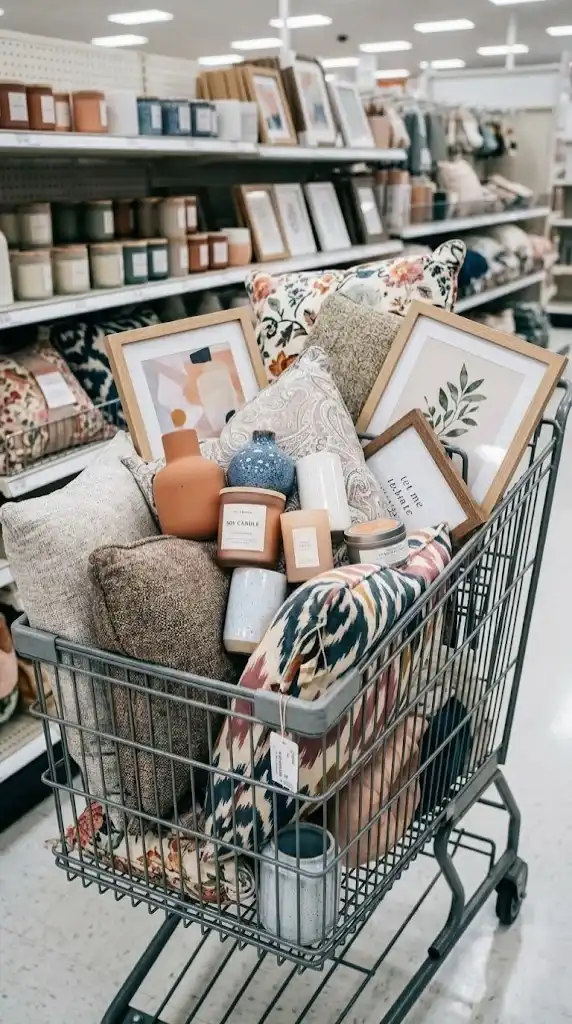
Imagine walking into Target for laundry detergent and leaving with a cart full of throw pillows and fake plants. You want your new place to feel warm and finished immediately. This urge triggers a massive failure point for new renters.
People often waste hundreds of dollars on $15 to $30 knickknacks at HomeGoods. Small ceramic vases, trendy candles, and cheap art prints feel like easy, affordable upgrades. Buying small items gives a quick dopamine hit of progress.
However, these small impulse buys quietly drain your bank account without solving your real problems. You might spend two hundred dollars on cute decor while you still lack a kitchen table.
This strategy ultimately results in a cluttered space and high credit card bills. A pile of trendy pillows cannot fix a room that has no real seating.
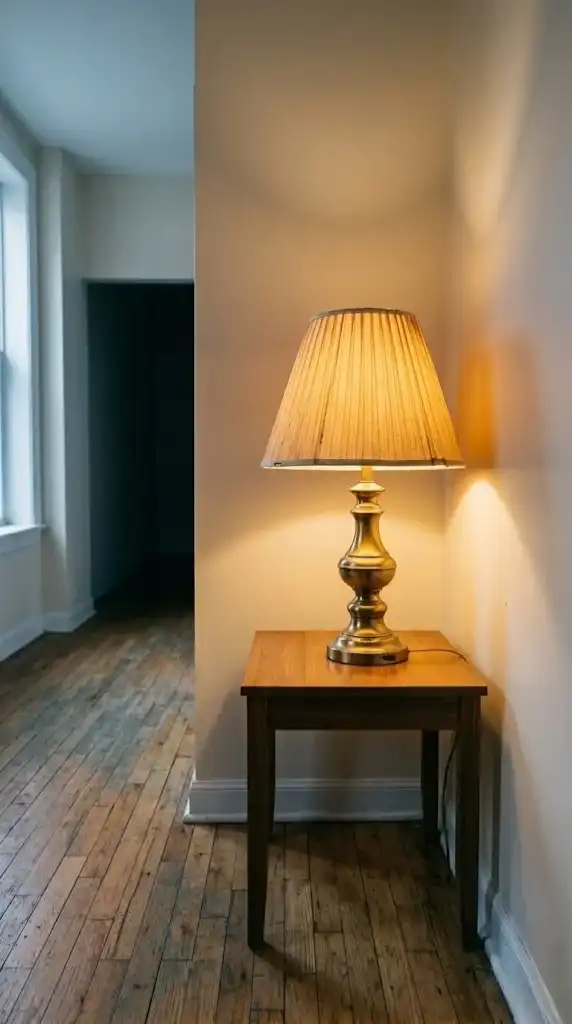
Put on blinders when you walk past the seasonal decor aisles. Save those twenty-dollar bills in a glass jar until you can buy a real piece of furniture. Finding one great vintage lamp brings more character than a dozen mass-produced trinkets. The wait is always worth it.
Building Slowly
Building a room over time takes genuine patience. A home built slowly and paid for in cash feels infinitely better than an instantly styled apartment funded by high-interest debt. Pick one essential piece to hunt for this weekend.
If you want more tips on navigating a new space, check out our guide to studio apartment layouts, our favorite renter-friendly wall upgrades, or our practical advice on mixing vintage wood tones.