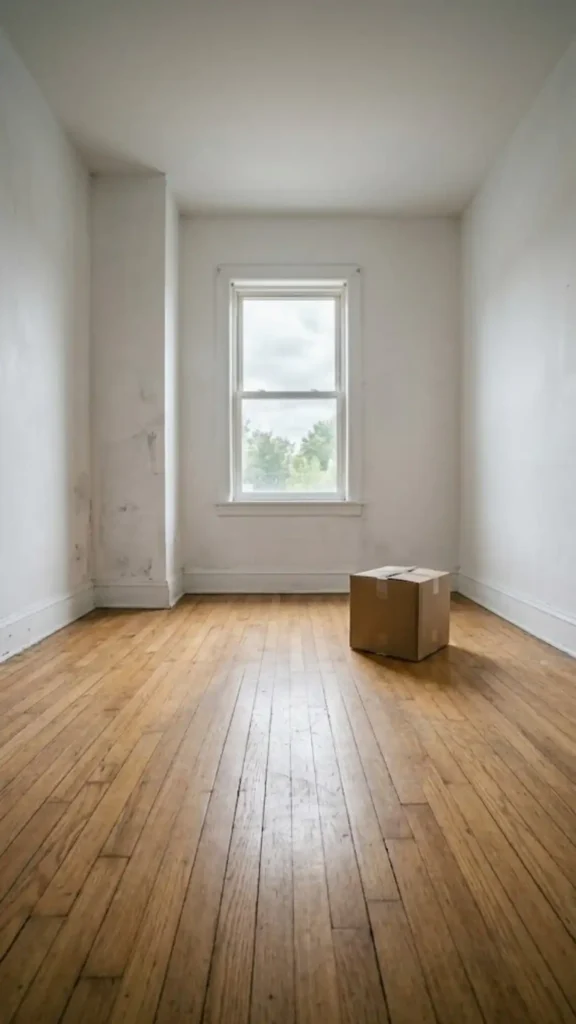
Staring at your first apartment doors with keys in hand is an incredible feeling, right up until you notice the loud echo. The empty rooms look massive, your bank account looks tiny, and your leftover decorating budget is exactly five hundred dollars. I remember sitting on a taped-up cardboard box in my first living room, weeping silently over the shocking cost of basic throw pillows.
It is easy to panic and buy cheap, flimsy plastic items just to fill up the empty floor space. You do not have to settle for a sad, mismatched look that feels like a temporary college dorm room. We are going to map out a clear roadmap to give your space a mature, high-impact look by zoning your cash and picking vintage pieces over cheap trinkets.
The $500 Math: How to Divide Your Cash Across Four Crucial Zones
Making five hundred dollars cover a whole apartment requires strict discipline and a clear math plan. Before we break down the cash, we need to set a realistic starting point. This budget plan assumes you already own your foundational pieces, meaning your mattress rests on some kind of frame and you have a basic sofa to sit on.
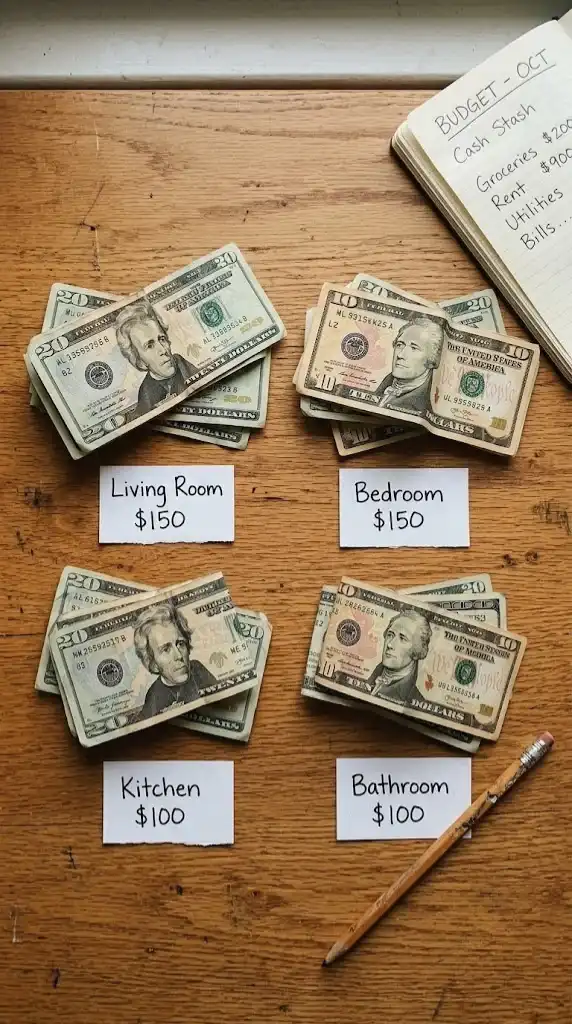
We are going to divide your money into four distinct piles so you do not accidentally spend the whole budget on a single living room rug. Splitting your cash by room keeps you accountable and stops impulse buying before you finish the apartment.
Here is exactly how to break down your five-hundred-dollar budget across your new home:
- Living Room: One hundred and fifty dollars for accent pieces, a coffee table, and soft lighting.
- Bedroom: One hundred and fifty dollars for comfortable bedding and large-scale wall art.
- Kitchen and Dining: One hundred dollars for temporary surface updates and vintage seating.
- Bathroom and Entryway: One hundred dollars for uniform storage baskets and a functional mirror.
Allocating these specific amounts ensures every corner of your apartment gets a little attention. Knowing your exact limits before you start shopping is the best way to avoid buyer remorse. You will feel much more confident browsing thrift shops when you know exactly how many dollar bills are available for that specific room.
The Living Room Pivot: Sourcing Facebook Marketplace Coffee Tables and $30 Floor Lamps
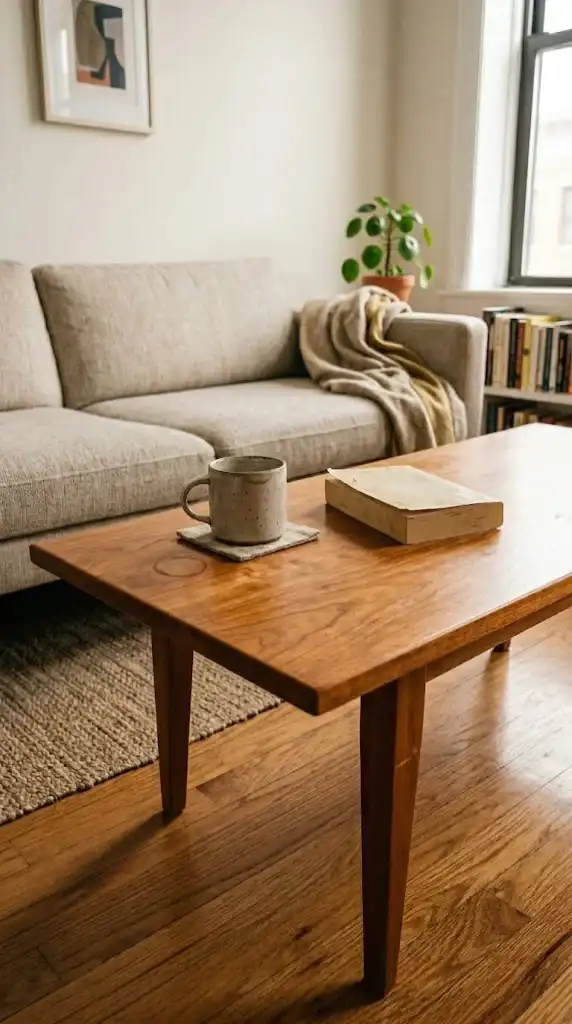
The fastest way to ruin a living room layout is to buy a flimsy, flat-packed coffee table that wobbles when you set down a coffee mug. Instead of spending eighty dollars on cheap particle board at a big-box store, open your phone and check local online listings.
Use specific search phrases like “solid wood coffee table” or “vintage brass” to bypass the modern junk.
You will routinely find heavy, mid-century wood tables or brass-and-glass frames for thirty to fifty dollars because sellers just want them gone. A quick wipe down with a five-dollar bottle of Howard Feed-N-Wax can make an old cherry or oak table look incredibly rich. Spending less on a durable vintage piece leaves money for other essential items.
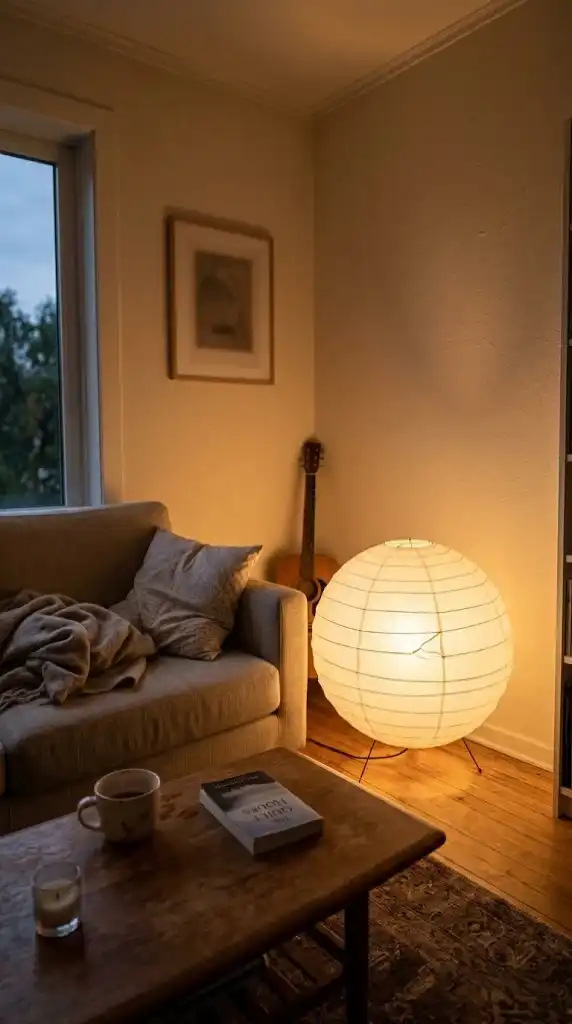
Next, you must address the harsh overhead lighting that makes every apartment look like a sterile hospital waiting room. Turn off the big ceiling light entirely and spend thirty dollars on a paper floor lamp like the classic IKEA Regolit.
The large, spherical paper shade diffuses light softly across the entire room, giving your seating area an instant, cozy mood. Adding a warm-white nine-watt LED bulb keeps the energy low and the vibes completely relaxed. Your living room will instantly feel like an inviting lounge instead of an interrogation room.
The Bedroom Retreat: Scoring $30 Amazon Duvet Covers and $15 Thrifted Gallery Walls
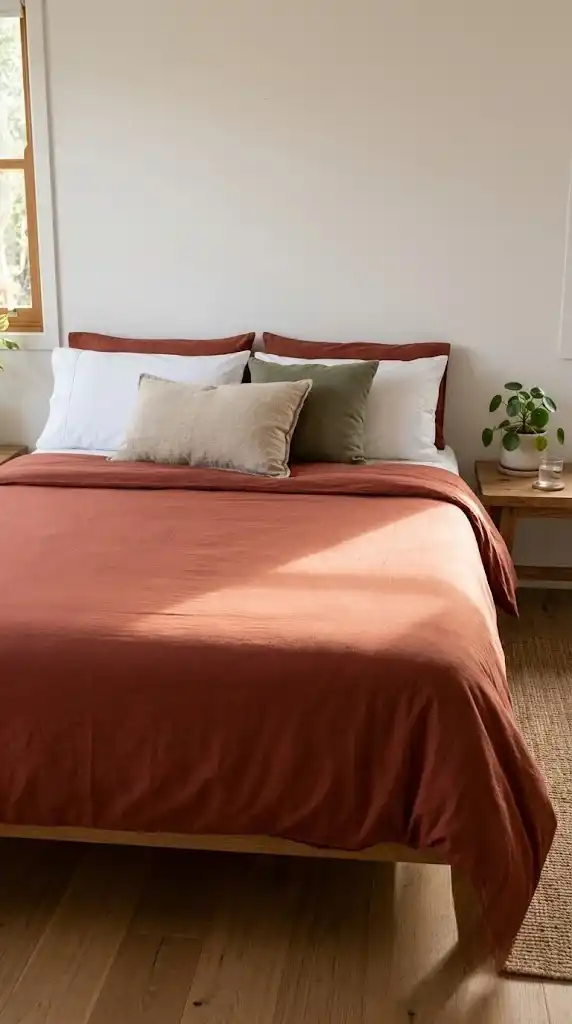
Your bed is the biggest visual element in your room, so a wrinkled, low-quality comforter will instantly make the space feel chaotic. Skip the expensive linen sets and head to Amazon for a thirty-dollar alternative made from washed microfiber or basic cotton-blend jersey.
These budget-friendly options mimic the lived-in, relaxed texture of high-end French linen without the hundred-dollar price tag.
Choosing a solid neutral shade like charcoal, olive, or warm terracotta gives your bed a mature, deliberate presence. A crisp duvet cover hides old mismatched pillows and creates a clean visual anchor for the space. You get a cozy bed to crash into without draining your precious cash.
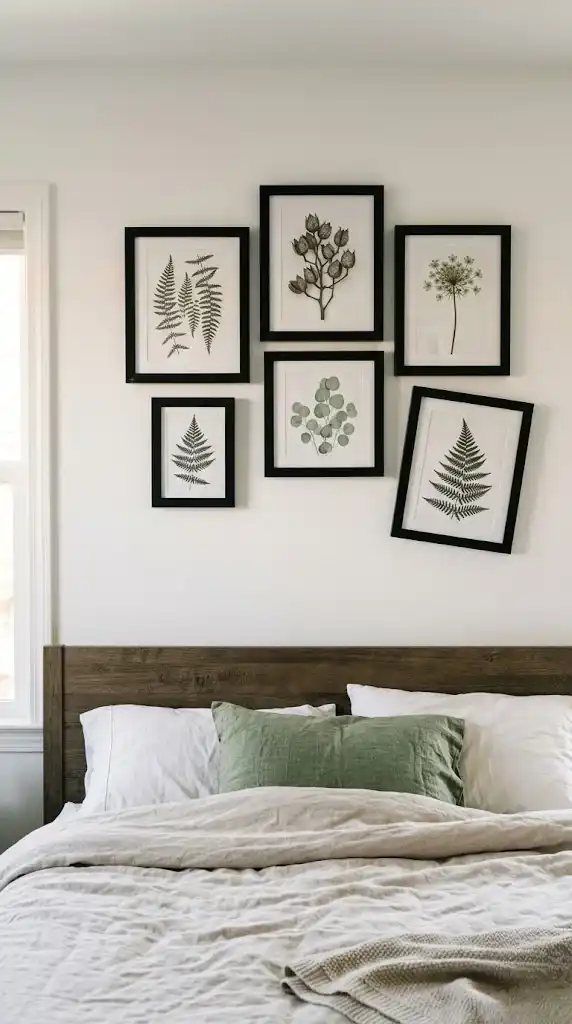
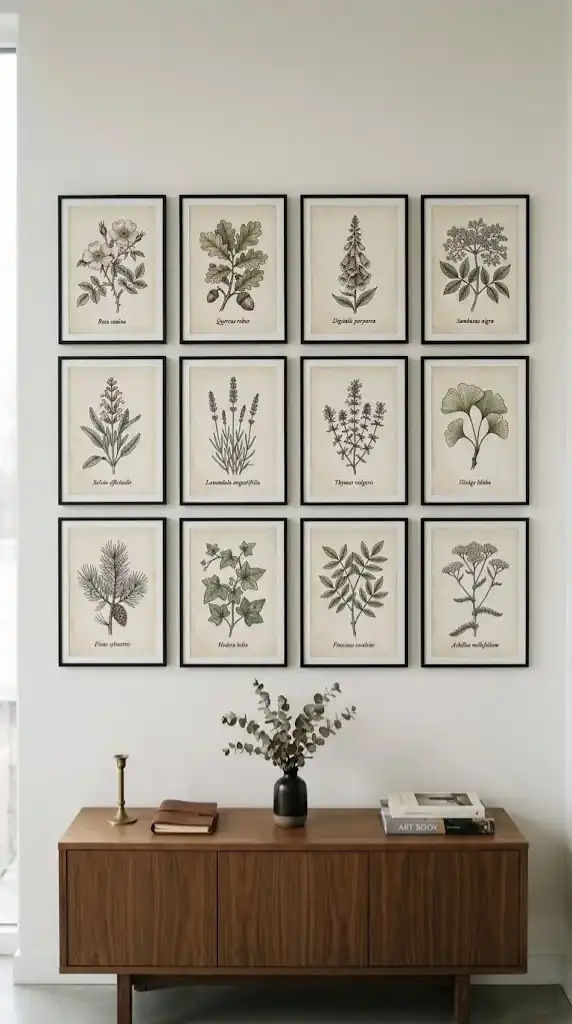
To fill the empty wall space above your bed without spending a fortune on massive canvas prints, head to your local Goodwill store. Look for old wooden frames priced at three dollars each, ignoring the terrible artwork inside them.
Buy five or six frames in various sizes, remove the old backing paper, and coat the frames with a six-dollar can of matte black spray paint. Fill them with free, high-resolution botanical prints downloaded from online museum archives for a cohesive, expensive-looking gallery layout. Suddenly, your bedroom wall looks like a custom art display rather than an empty white sheet of drywall.
The Kitchen and Dining Quick-Fix: Styling $1.20-Square-Foot Contact Paper and Mismatched Chairs
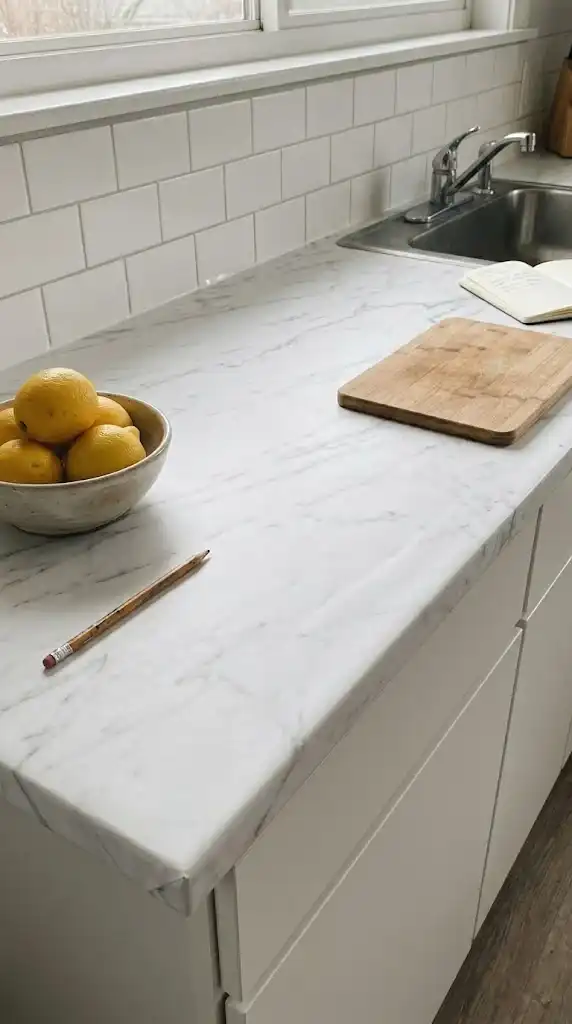
Standard rental kitchens often feature stained laminate countertops that make cooking feel depressing. You can hide that ugly beige or speckled surface completely by using renter-friendly contact paper that costs about one dollar and twenty cents per square foot.
Look for vinyl sheets with a realistic white marble or thick slate pattern that resists water and peels off cleanly when your lease ends.
Applying the paper takes patience, a plastic squeegee, and a hairdryer to smooth out the stubborn corner seams. The result is a bright, clean food preparation zone that looks ten times more expensive than plastic laminate. It completely changes the energy of your kitchen for the price of a takeout meal.
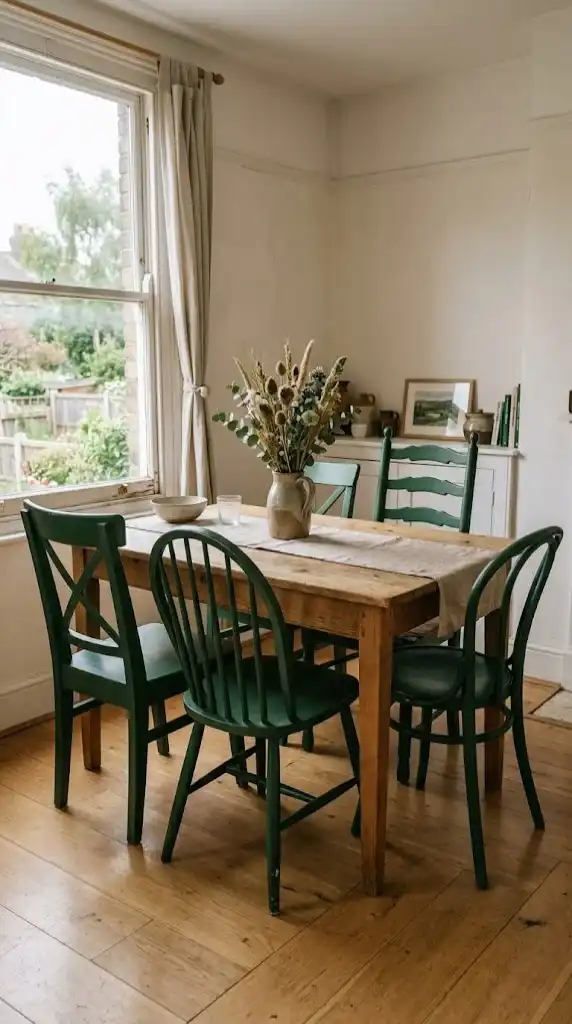
For your dining area, do not waste money buying a matching five-piece table set from a budget retailer. Track down a simple, sturdy wooden table on your local classifieds for twenty dollars, or ask family members for a free spare.
Collect four mismatched wooden chairs from different thrift stores, keeping your spending under ten dollars per chair. Painting all the chairs in the same satin black or deep forest green shade binds them together into an intentional, eclectic dining set. Your dining space will look full of personality and charm rather than cheap and rushed.
The Bathroom and Entryway Finish: Maximizing Target Brightroom Baskets and Command-Stripped Mirrors
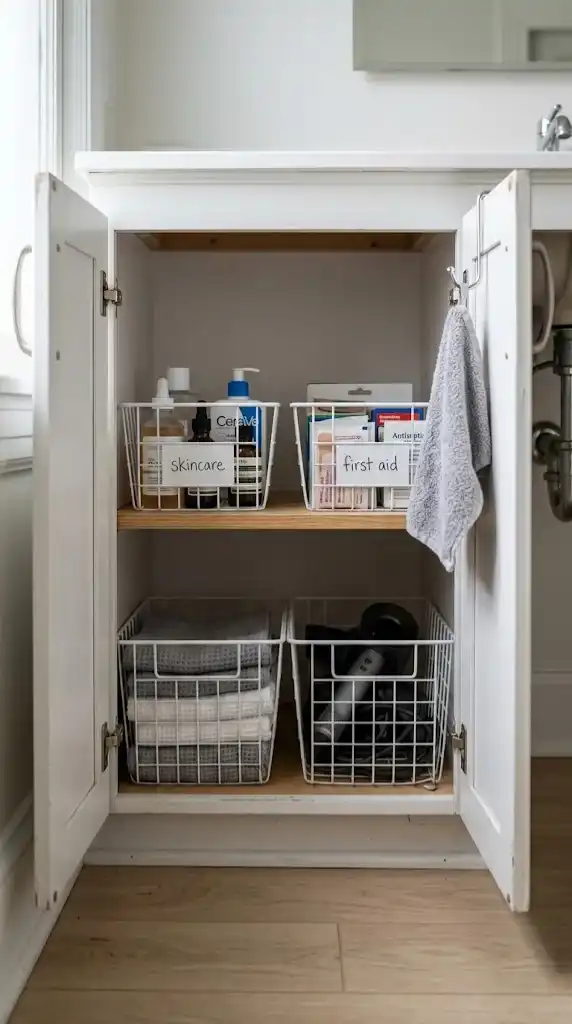
Small bathrooms get cluttered fast, especially when you lack drawer space for hair tools and toiletries. Invest forty dollars of your remaining budget into Target Brightroom plastic or wire baskets, which cost between eight and twelve dollars each. These clean, uniform bins neatly hide your daily clutter under the sink or on open wire shelves.
Labeling each basket for specific categories like skincare or first aid keeps your morning routine running smoothly. Uniform storage makes even a tiny bathroom feel like a tidy, well-managed spa. It is an affordable way to keep your sanity during hectic mornings.
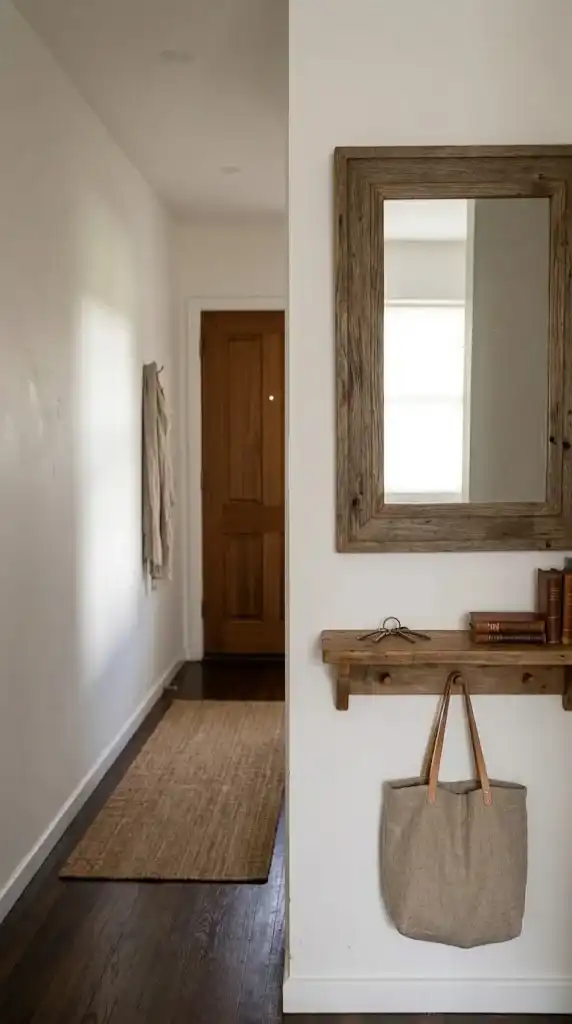
In your entryway, a mirror is essential for checking your outfit and bouncing natural light down a dark apartment hallway. Hunt for a heavy, interesting wooden or metal mirror at a garage sale for fifteen dollars.
Secure that heavy mirror to your rental wall using three or four pairs of sixteen-pound-rated Command Picture Hanging Strips. Pressing the interlocking strips firmly against the drywall creates a rock-solid hold that will not leave gaping holes for your landlord to complain about later. Walking into your front door will instantly feel welcoming and spacious.
The Dollar-Store Trap: Why Buying Cheap Knick-Knacks Bleeds Your Decor Budget Dry
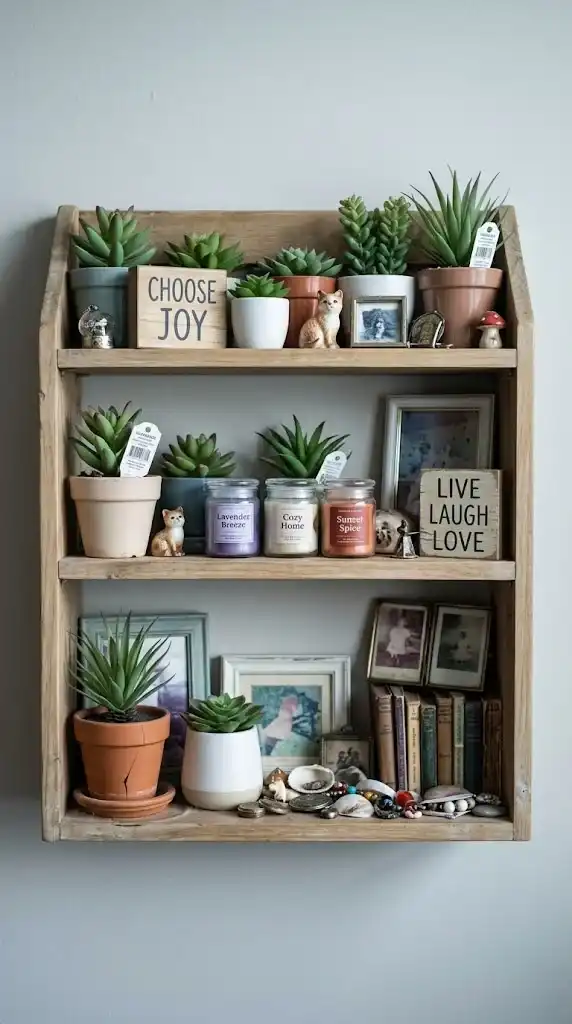
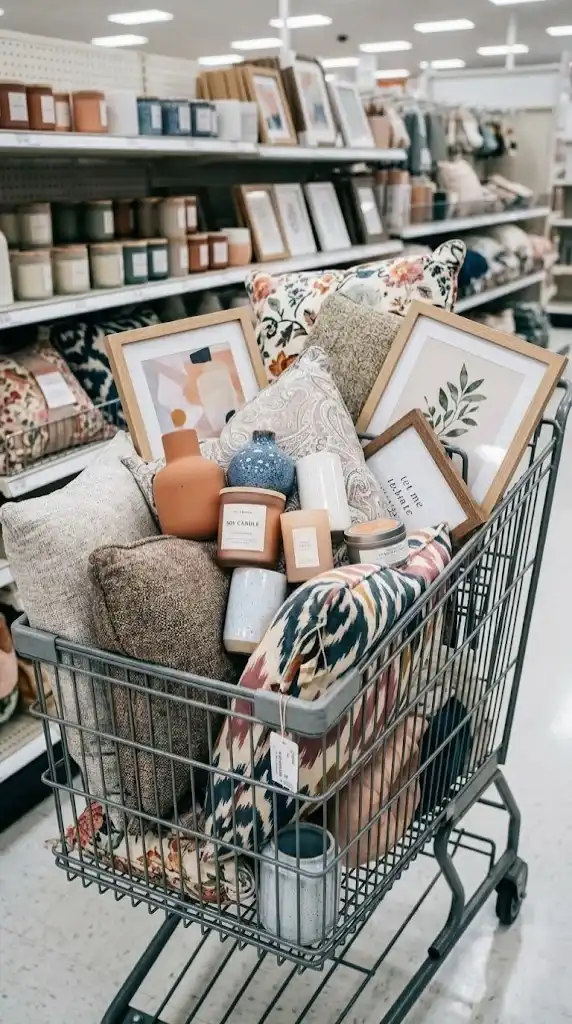
Wandering into the bargain section of a big-box store with a loose budget is the easiest way to accidentally go broke. It is incredibly tempting to pick up five-dollar mini plastic plants, tiny scented candles, and small wooden signs with text on them.
These small purchases feel harmless, but buying ten of these low-impact trinkets burns through fifty dollars of your cash instantly.

In reality, you are left with a pile of tiny clutter that makes your shelves look crowded instead of styled. That same fifty dollars could have purchased a large, vintage ceramic vase or a substantial secondhand accent rug.
One large, high-quality statement piece grounds a room and catches the eye immediately. A dozen tiny plastic items just create visual noise that you will get tired of dusting within a month. Save your cash for items that actually have the scale to fill a room. Your apartment will look curated and peaceful instead of messy and cheap.
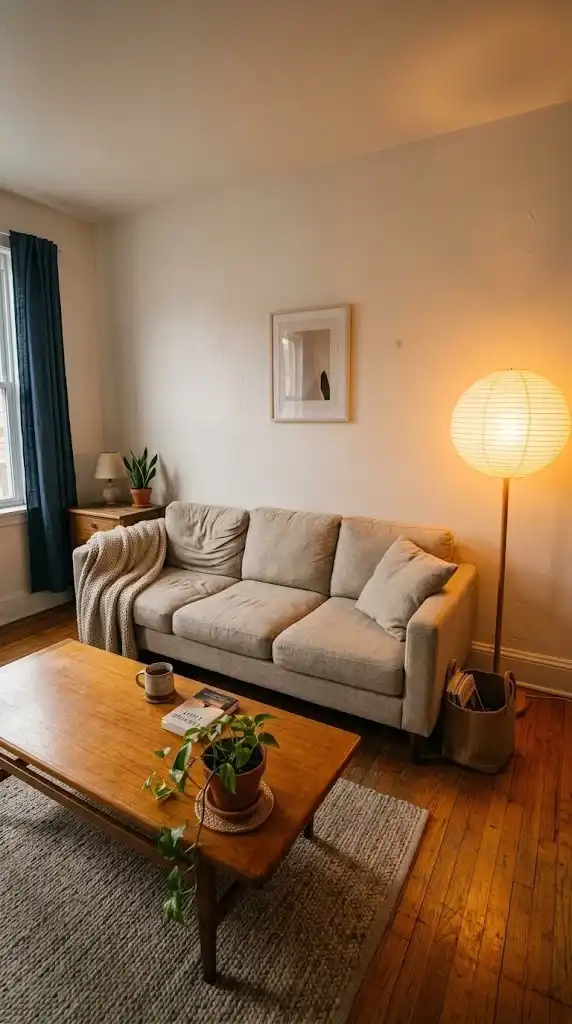
Decorating your very first apartment with a five-hundred-dollar budget is a lesson in patience and strategic choosing. Remember that your living space does not need to look complete by the first weekend.
Building a home that feels authentic to your personal style takes time, and starting with a solid, budget-conscious foundation prevents a lot of design mistakes. Take your time, hunt for those vintage treasures, and enjoy the process of making the space truly yours.
If you want more practical budget decorating advice, check out our guide on choosing rental-friendly window treatments without drilling holes. We also have a deep breakdown on how to pick the right rug size for a small living room layout.
You might also enjoy our favorite tips for styling thrift store glassware to make your open kitchen shelves look beautiful. Cheers until next time!