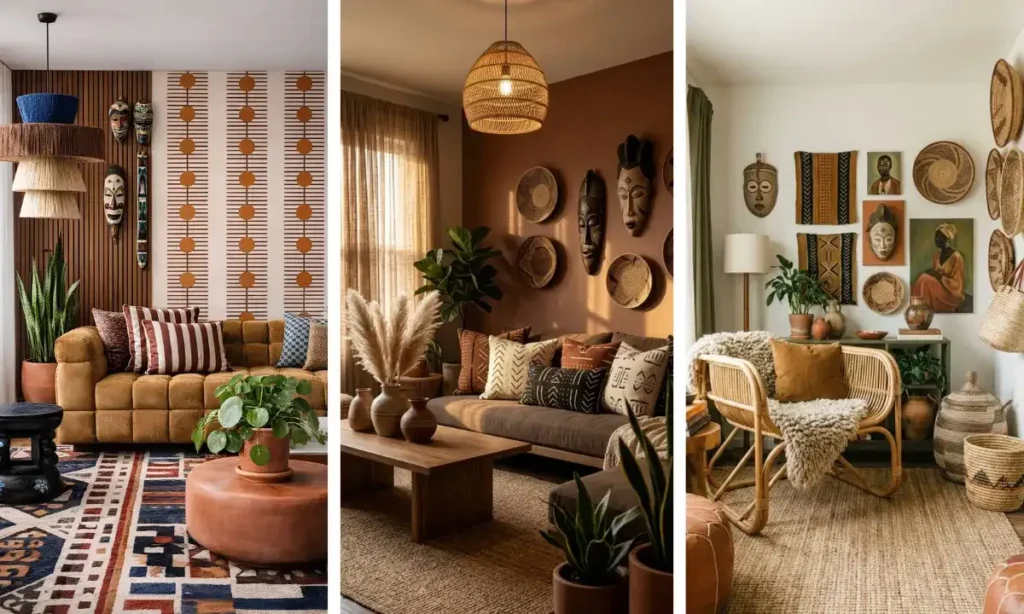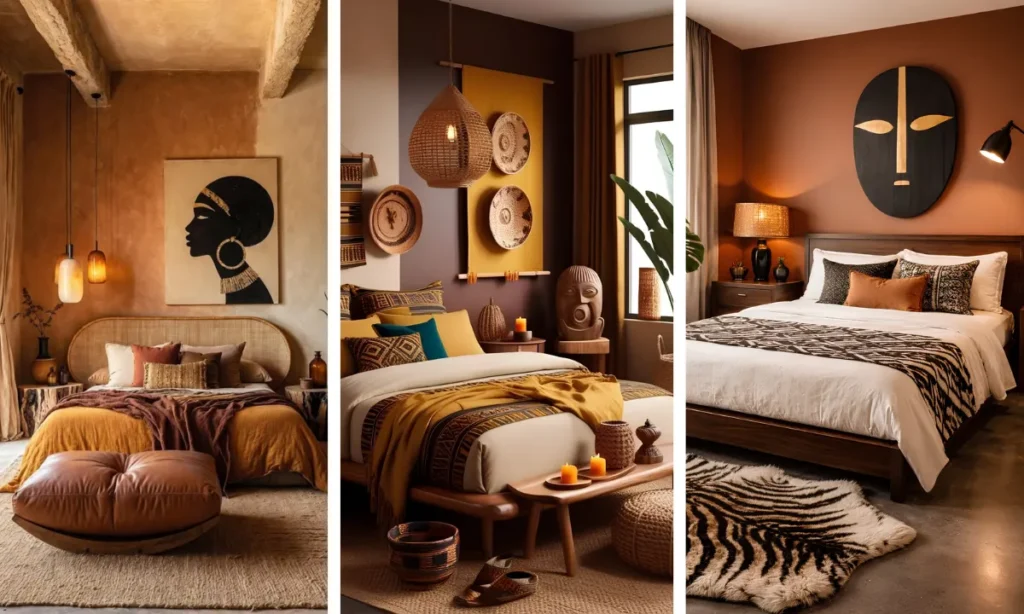
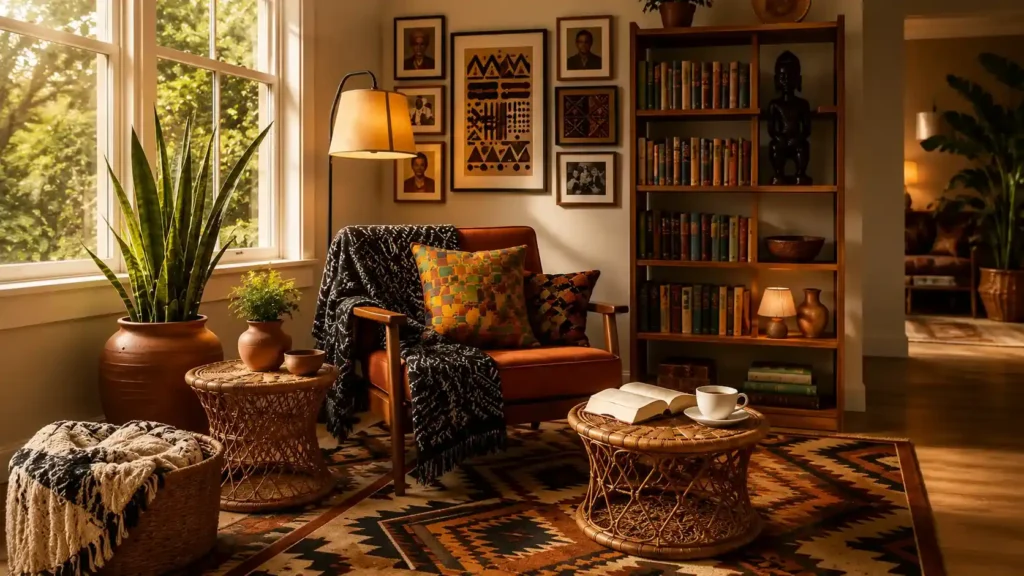
You have a corner in your home that does nothing right now. Maybe it holds a laundry basket, or nothing at all. That corner has more potential than you think, and turning it into a reading nook rooted in your heritage does not require a spare room or a big budget.
These Afrocentric reading nook ideas focus on layering texture, color, and meaning instead of chasing a specific look you saw once and cannot quite recreate.
You will choose one seat, add fabric that carries real cultural weight, build a small shelf of authors who look like you, and light the space so it invites you to sit down and stay a while.
The whole project can be finished in an afternoon if your supplies are already gathered, or spread across a weekend if you are sourcing fabric and books along the way.
Nothing here needs power tools or sewing skills. What it needs is intention, picking pieces that mean something to you instead of pieces that fill space.
By the end, you will have a corner that feels like it belongs to you, not a showroom. Grab a cushion and let’s get that corner working for you.
- Pick a Corner That Gets Natural Light
- Choose a Chair That Anchors the Space
- Layer in Bold African Print Textiles
- Add a Small Side Table for Essentials
- Build a Shelf for African and Diaspora Authors
- Bring in Warm, Layered Lighting
- Hang Wall Art That Reflects Your Heritage
- Add Plants and Natural Textures
- Ground the Nook with a Statement Rug
Step 1: Pick a Corner That Gets Natural Light
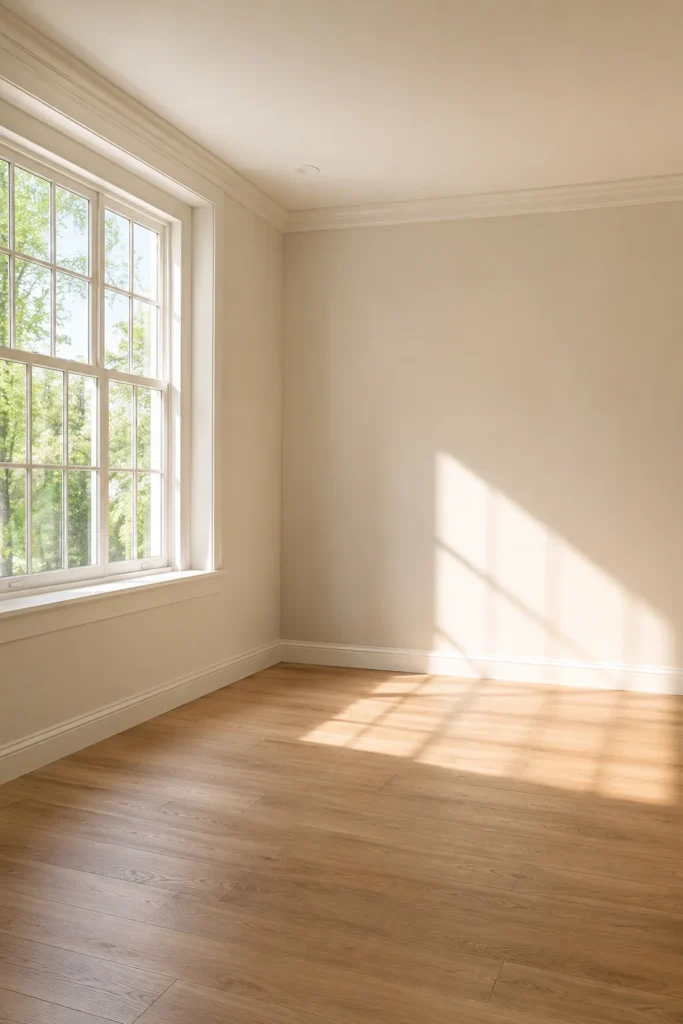
Walk through your home at two different times of day and watch where light actually lands. North-facing windows give soft, even light, easier on the eyes than a spot in direct afternoon sun.
Skip corners near drafty doors.
No good light source nearby? A corner near a lamp works too. Just plan for that in Step 6 so the spot still feels lit up and intentional.
Step 2: Choose a Chair That Anchors the Space
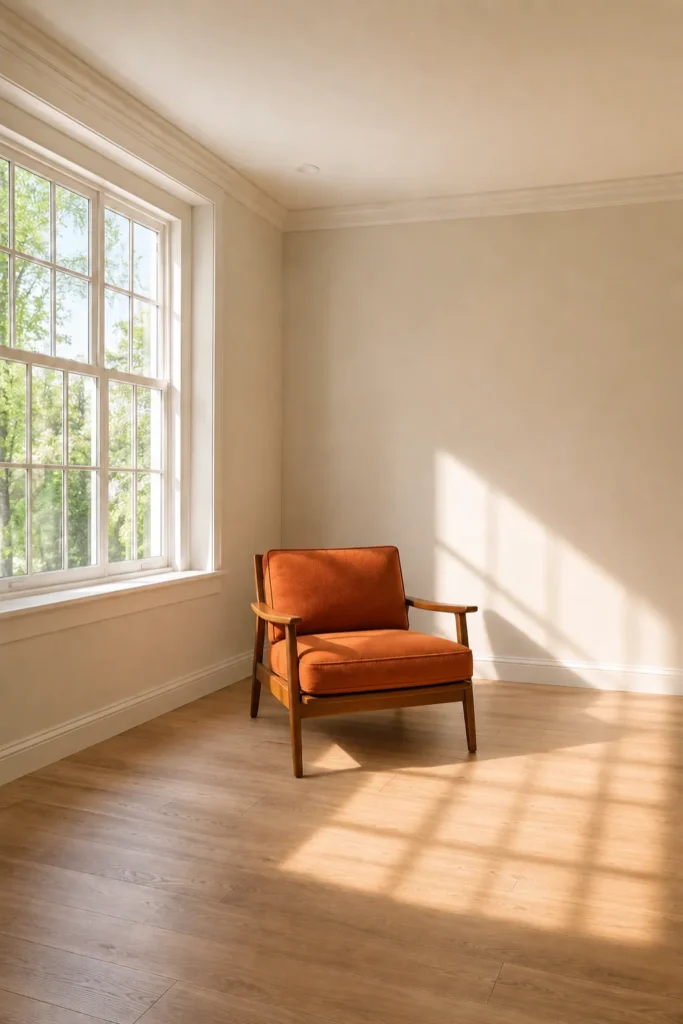
An armchair with a low arm and a deep seat works better here than a small accent chair, since you want room to tuck your legs up comfortably.
If space is tight, a floor cushion setup with a solid 24-inch round cushion as the base does the same job.
Look for wooden legs and simple lines. They pair with bold print fabric without competing against it. Secondhand shops often carry this exact style for under $100.
Step 3: Layer in Bold African Print Textiles
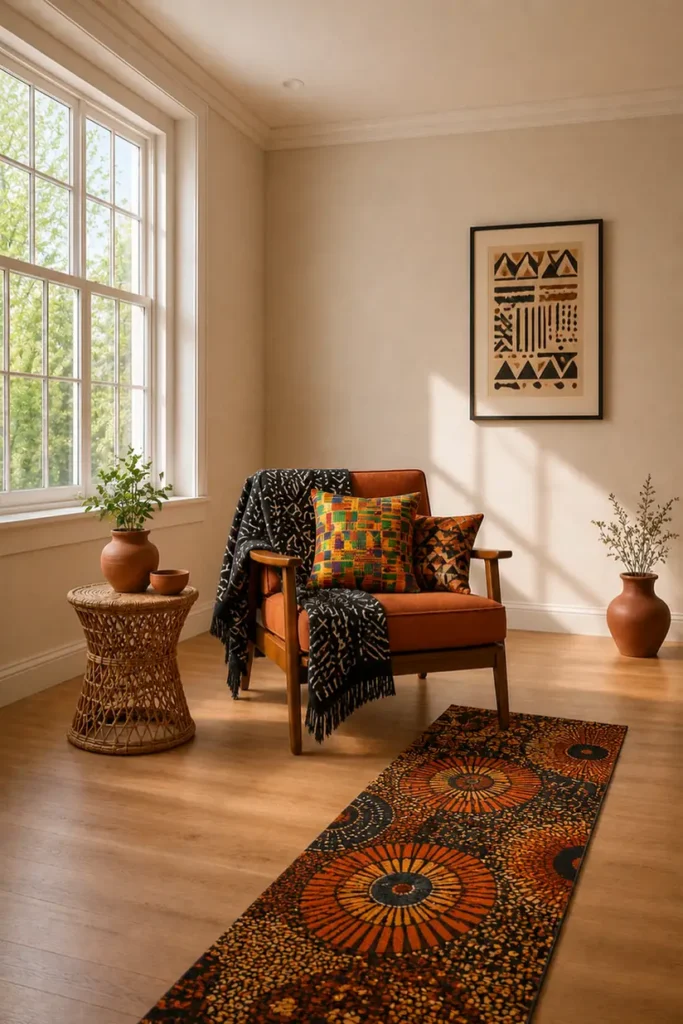
Pick three prints, not five: a mudcloth throw on the chair, a kente-inspired pillow on the seat, and an ankara runner across the table.
Keep them tied to one color thread, like rust and cream, so they read as a set instead of clutter. A single print panel behind the chair fills a bare wall fast.
Step 4: Add a Small Side Table for Essentials
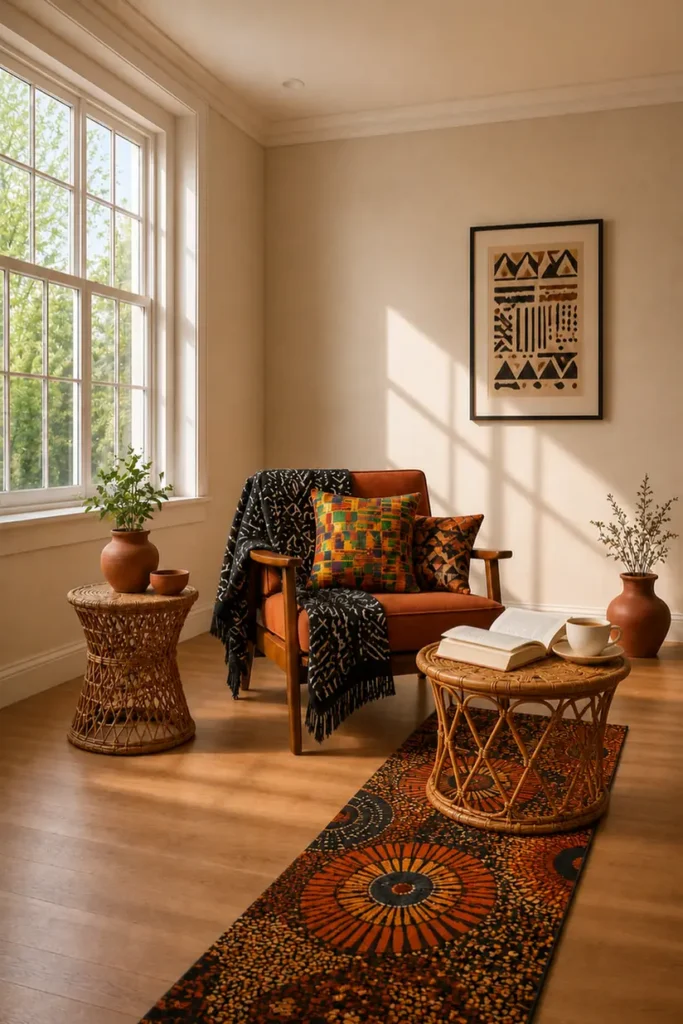
A cup of tea and a bookmark need somewhere to land besides the floor. A round table around 16 inches tall, roughly seat height, keeps everything within reach without you leaning far.
Wicker and rattan textures show up often in Afrocentric interiors and pair naturally with print fabric. No table on hand? A wide floor basket flipped upside down works as a stand-in until you find the real thing.
Step 5: Build a Shelf for African and Diaspora Authors
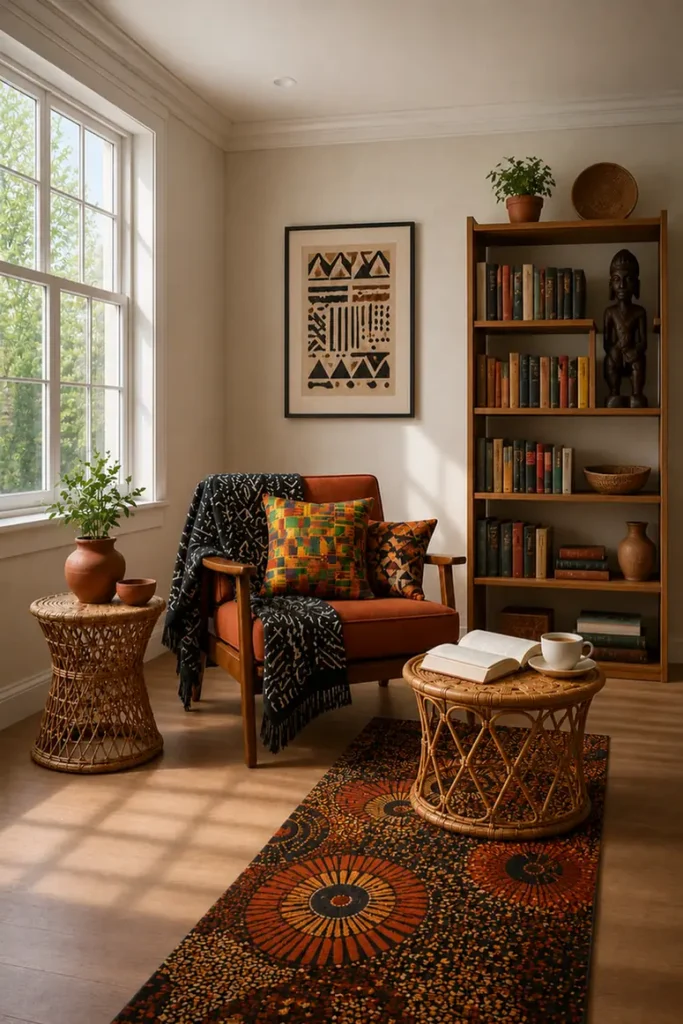
Five to ten books is enough to start. More than that on a small shelf starts to look cluttered instead of curated.
A few names to build around:
- Chinua Achebe
- Chimamanda Ngozi Adichie
- Toni Morrison
- Zora Neale Hurston
- Yaa Gyasi
Mix in a small carved figure or woven basket between book stacks so the shelf reads as styled, not just stacked.
💡 Pro Tip: Short on books right now?
Step 6: Bring in Warm, Layered Lighting
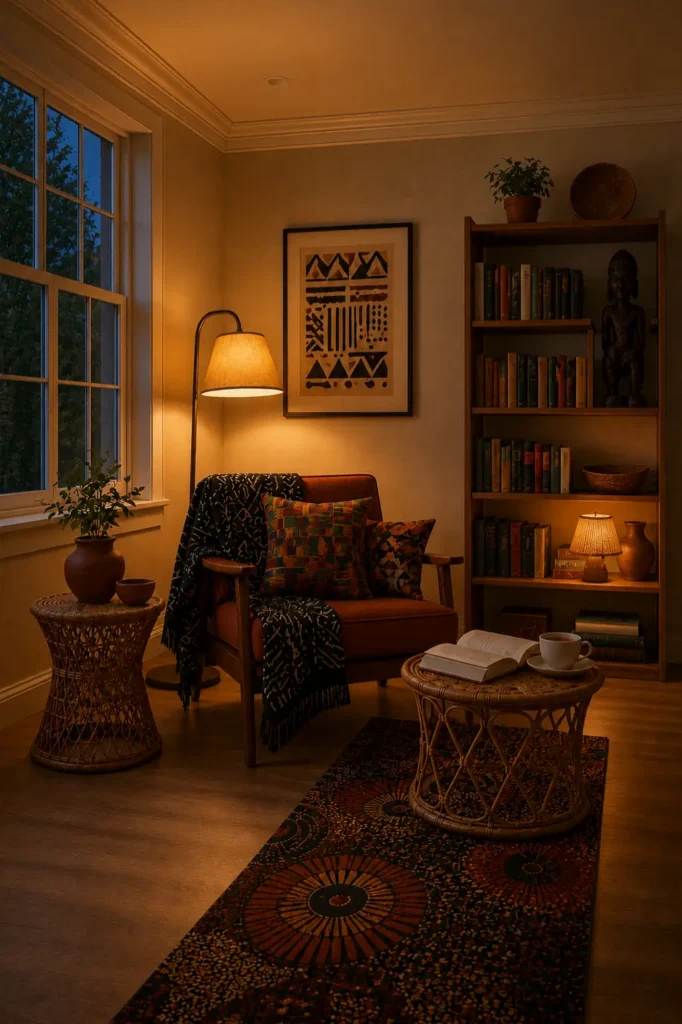
One overhead light flattens a reading nook. Layer in a floor lamp behind the chair and a small table lamp on your side table instead, so the light pools where you actually sit.
Choose bulbs around 2700K, the warm end of the scale, not the bluish daylight tone. Warm light makes rust and terracotta tones glow instead of looking dull.
Step 7: Hang Wall Art That Reflects Your Heritage
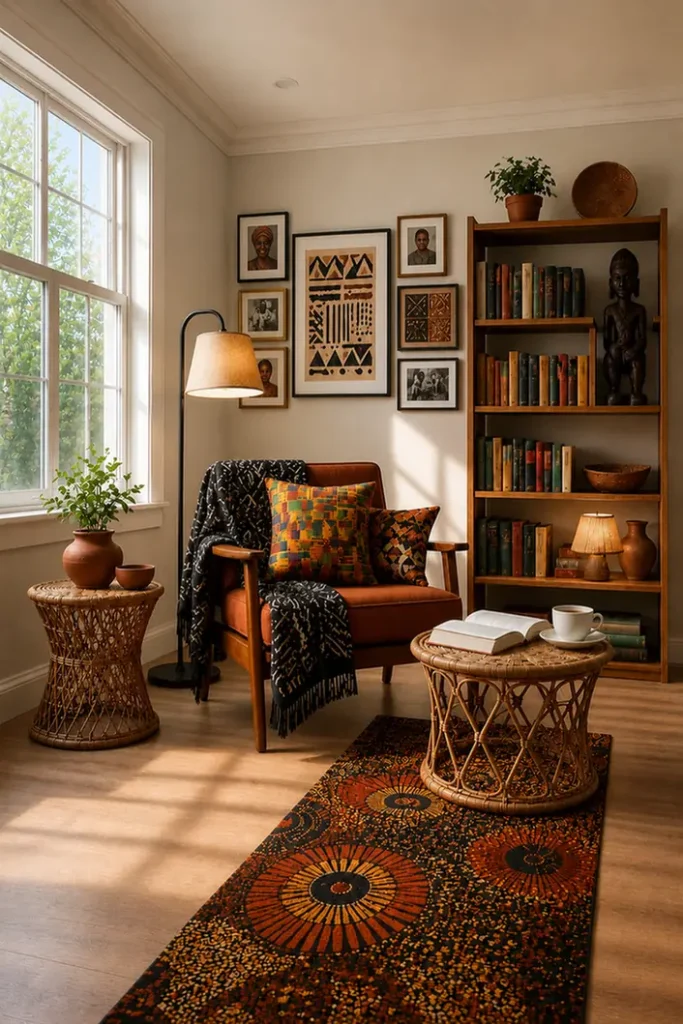
Choose two or three pieces instead of one large one. A small gallery cluster above the chair carries more warmth than a single frame ever does.
Family photos work here just as well as printed art. Mix in one abstract pattern piece, one photo, and one small textile hanging for real depth. Keep the bottom edge of the cluster around eye level when seated, not standing, since that is the view you will actually have most.
Step 8: Add Plants and Natural Textures
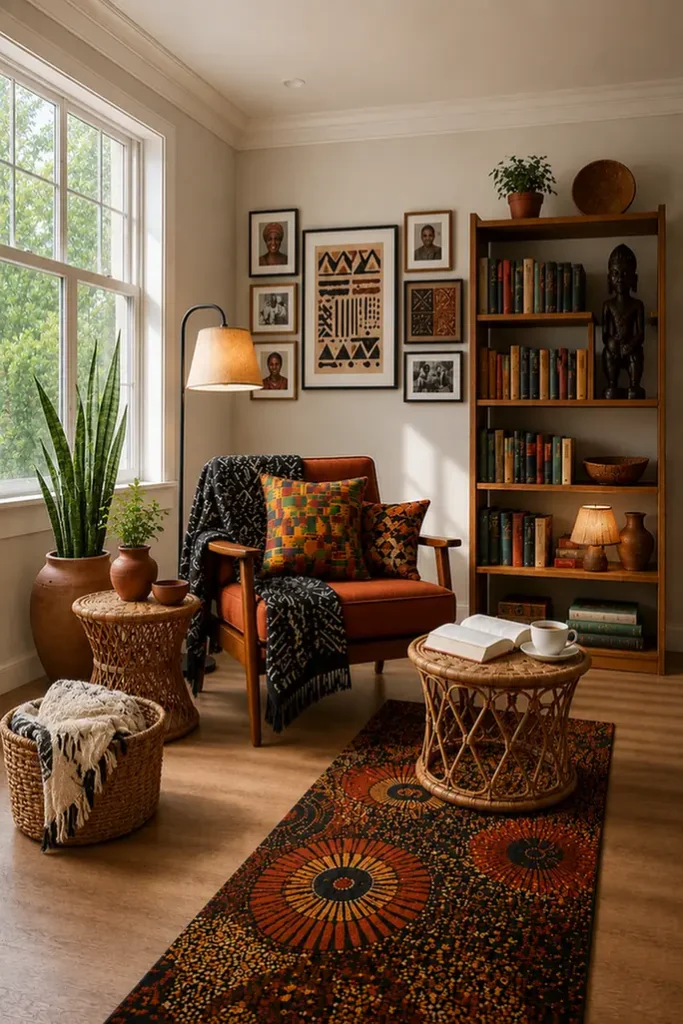
A snake plant or pothos on the floor beside the chair softens all the straight lines from the shelf and table. Both tolerate low light, which matters if your nook is not right by a window.
Add one woven basket underneath for stray blankets. Between the plant, the basket, and the wood tones already in the space, the corner starts to feel grounded instead of decorated.
Step 9: Ground the Nook with a Statement Rug
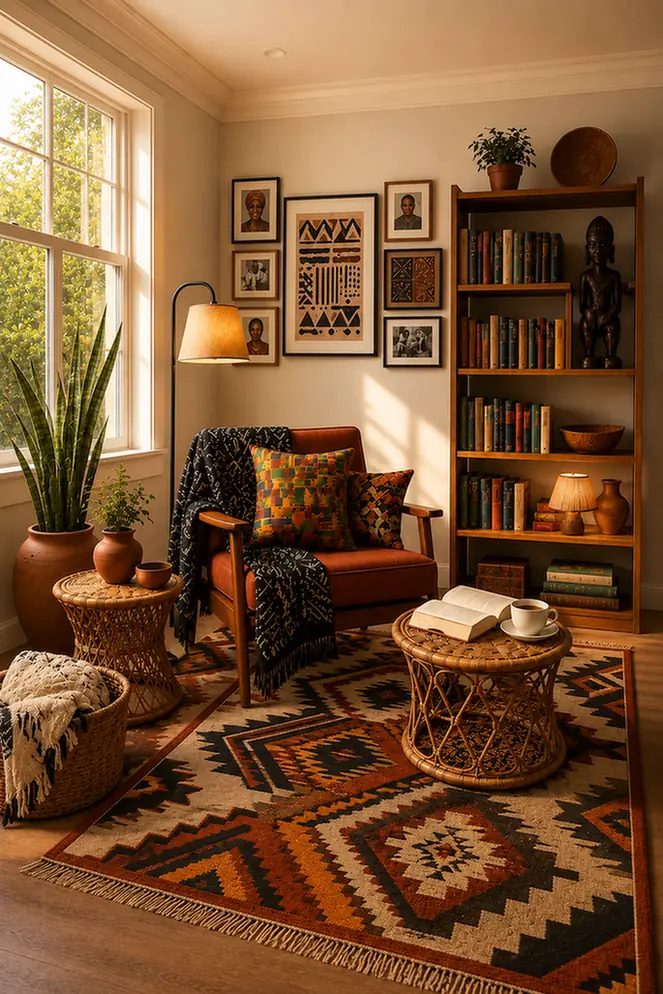
Measure your seating area first. A rug around 4×6 feet usually covers the chair, the side table, and enough floor in front to anchor the whole grouping visually.
Pick one bold geometric print if your throw pillows are solid colors, or a solid rug if your textiles are already busy.
- Lay the rug down last, after furniture is placed
- Center it under the chair’s front legs
- Leave equal border space on all visible sides
Can I build this nook on a tight budget?
What if I am renting and cannot hang art?
Do I need real African textiles, or are prints okay?
How small a space can this work in?
Can I add a heritage nook to a shared living room?
- Pick a corner with good natural light
- Choose a chair to anchor the space
- Layer in three tied African prints
- Add a small side table
- Build a shelf of African/diaspora authors
- Layer in warm 2700K lighting
- Hang a small heritage art cluster
- Add a plant and woven basket
- Ground it all with a statement rug
Conclusion
You went from a bare, forgotten corner to a nook that actually feels like yours. Every piece in it, from the fabric to the books on the shelf, ties back to something real.
Sit in it tonight with one book and one lamp on. That is the real test of whether it works.
Save these Afrocentric reading nook ideas to your board so you can shop pieces slowly, one thrift trip at a time.