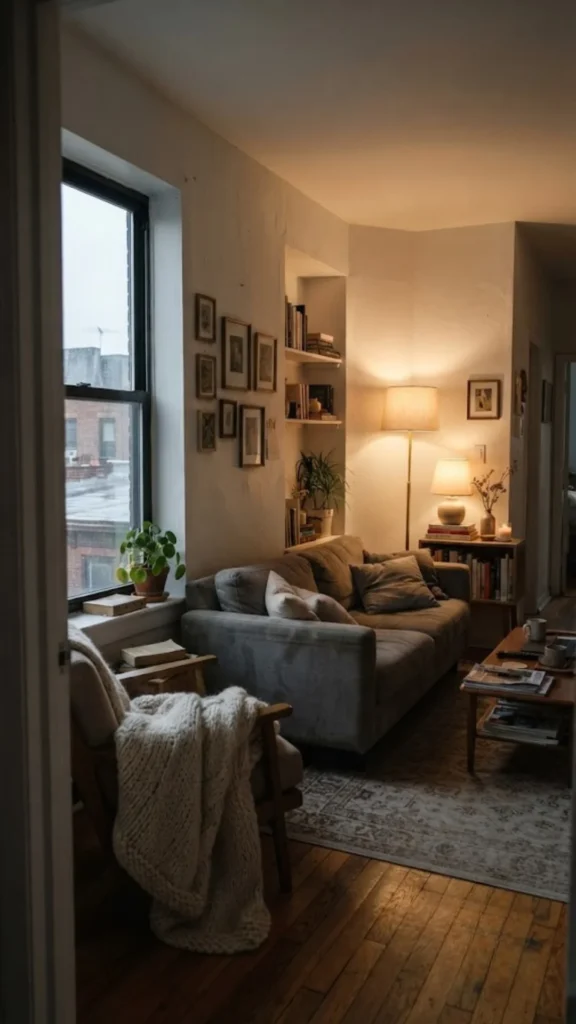
Living in a sunless apartment brings a specific kind of frustration. You can fake the feeling of natural light through the intentional layering of fixtures, bulbs, and mirrors.
A dark room does not have to feel like a cave. With the right strategy, you can turn a dim rental into a beautifully illuminated and airy home.
The Lumen and Kelvin Rules You Actually Need for Dim Spaces
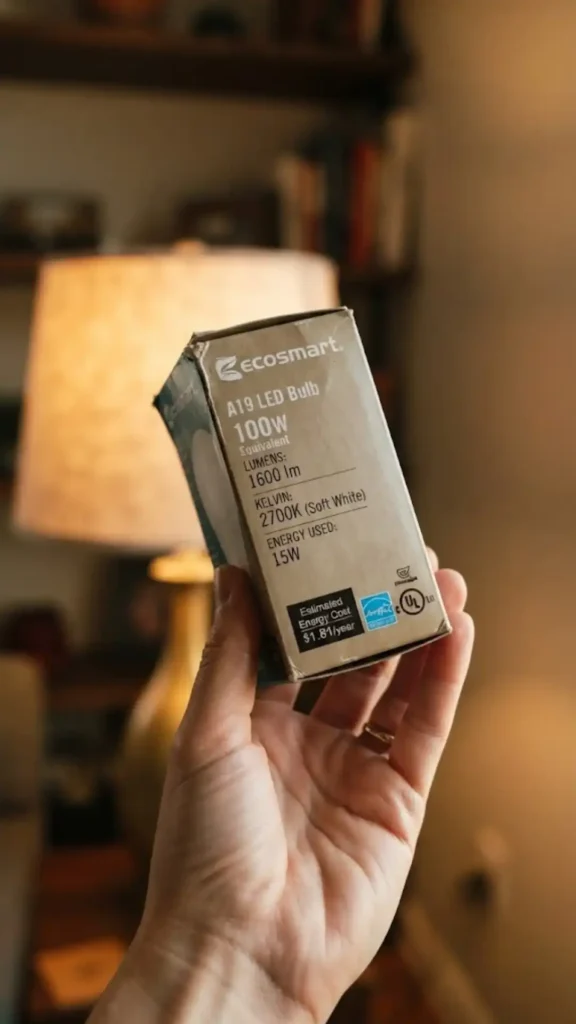
The most common mistake in dark spaces is choosing the wrong light bulb. You need to understand the difference between lumens and Kelvins to fix this. Lumens measure how bright a bulb is. Kelvins measure the color temperature of the light.
Buying the right bulb changes everything. Check the packaging on your light bulbs before you screw them in. The box will clearly list both the lumen count and the Kelvin rating.
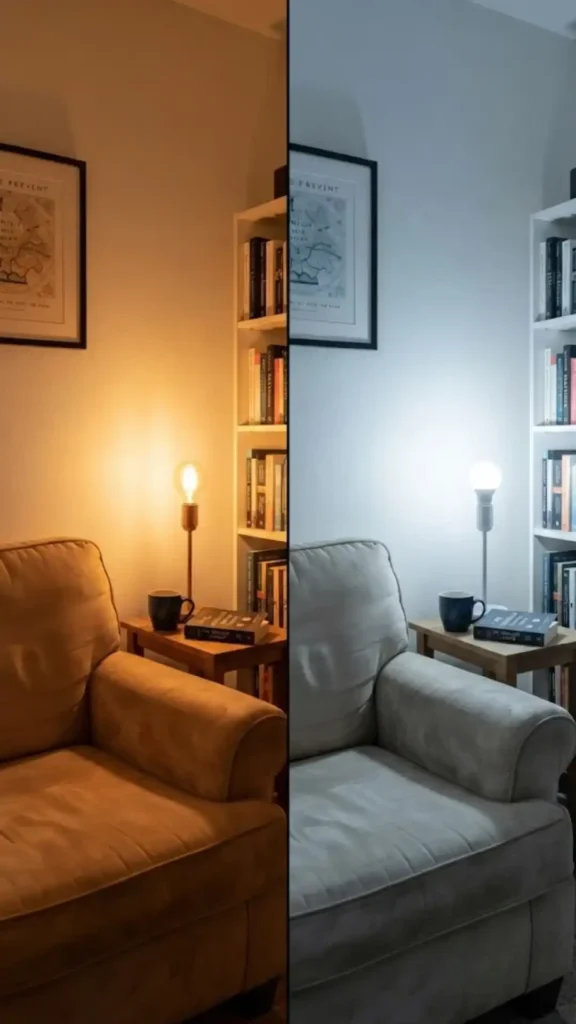
Many people buy daylight bulbs thinking they will fix a dark room. Instead, high Kelvin bulbs create a sterile look that mimics a hospital waiting room. You should strictly use bulbs in the 2700K to 3000K range.
This range gives off a soft, warm glow that makes a living room feel inviting rather than clinical. Keep your Kelvins consistent across the entire room.
If you mix a 2700K bulb in one lamp with a 3000K bulb in another, the lighting will look uneven. The 2700K option will look slightly more orange, while the 3000K option will look crisper and whiter.
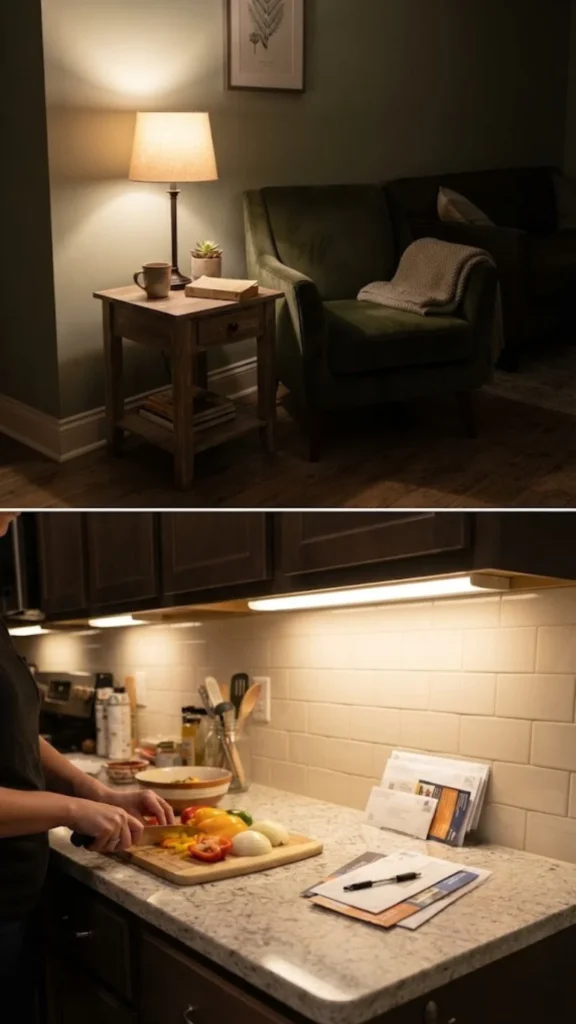
Brightness is just as important as color. You want to aim for at least 800 lumens per bulb in your main living zones. A standard 60-watt equivalent LED bulb usually provides about 800 lumens.
This is a good baseline for a living room or bedroom. If you are lighting a dark kitchen, you might want to increase that to 1100 lumens for better visibility.
Replacing a single overhead bulb is never enough. You will need multiple 800-lumen bulbs placed around the room to truly mimic the reach of daylight. I always check these two numbers before bringing any new bulbs into my home.
Floor Lamps That Fake Natural Sunlight Without Overpowering the Room
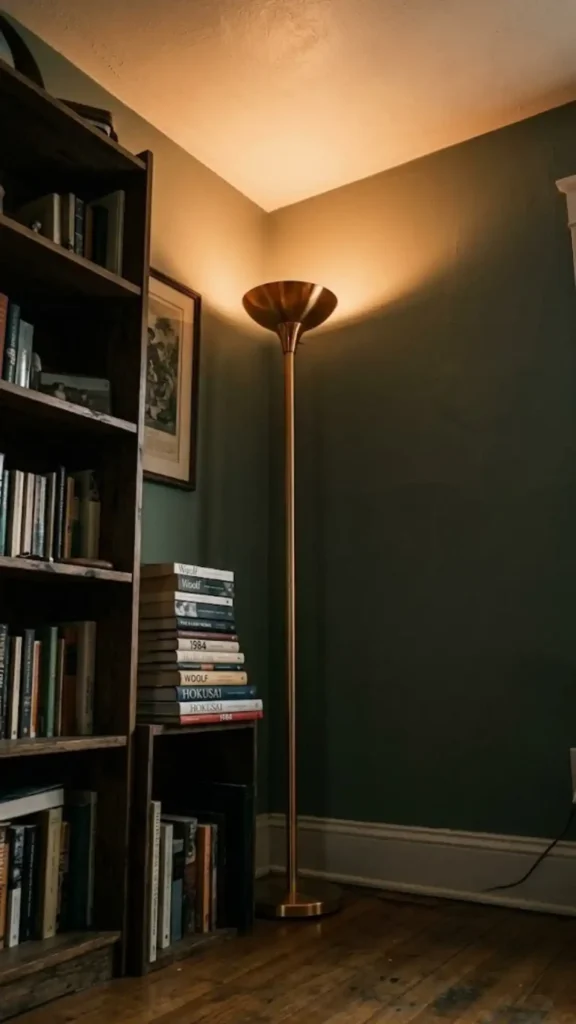
When you lack overhead lighting, a torchiere floor lamp is your best tool. This style points light directly up at the ceiling. The light then bounces down and spreads across the room.
This bounce effect mimics ambient daylight better than a standard lamp shade can. Place a torchiere lamp in a dark corner to instantly lift the shadows.
A torchiere lamp needs to sit at least a few feet away from high shelves to let the light spread out. Choose a slim metal base in brass or black so the lamp does not add visual clutter.
A polished brass finish reflects even more light into the corner. A matte black finish grounds the space and adds a sharp, architectural line. The goal is to add light without adding bulk.
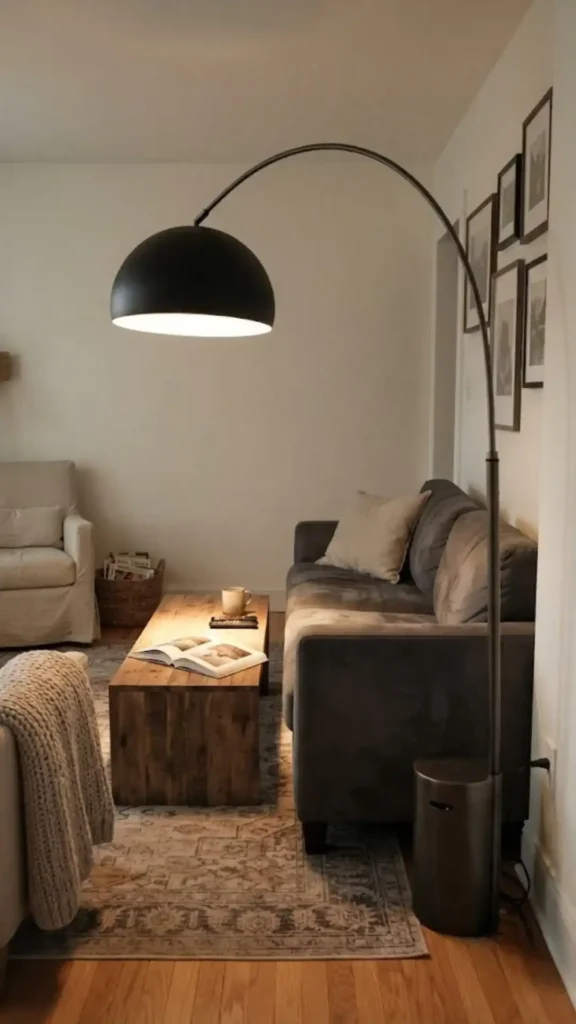
Another great option for a sunless living room is a sweeping arc lamp. These lamps have a heavy base that tucks behind a sofa. A long, curved arm extends out to bring the bulb right to the center of the room. Arc lamps solve a major rental problem.
They give you the look and function of a hardwired ceiling pendant without the need to call an electrician. You just plug the cord into the wall.
When shopping for an arc lamp, pay attention to the reach of the arm. A reach of 40 to 50 inches is usually perfect for hovering over a standard 84-inch sofa. You want the bulb to sit directly above your coffee table to anchor the seating area.
Look for an arc lamp with a large dome shade to direct light down. A white interior on the lamp shade will help reflect even more brightness down into your space.
The Magic of Plug-In Sconces and Picture Lights (Rental-Friendly Brilliance)
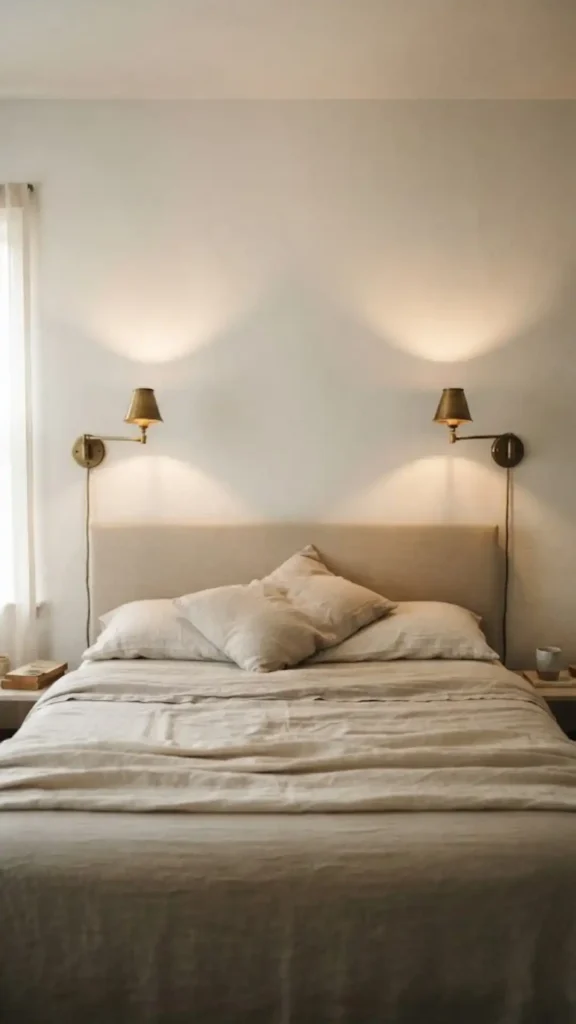
Adding light to your walls draws the eye up and makes a room feel larger. You do not need wiring behind your drywall to do this. A plug-in sconce gives you the custom look of hardwired lighting with zero construction.
These fixtures plug straight into a standard outlet. Hang one on each side of your bed or position a pair flanking your living room sofa.
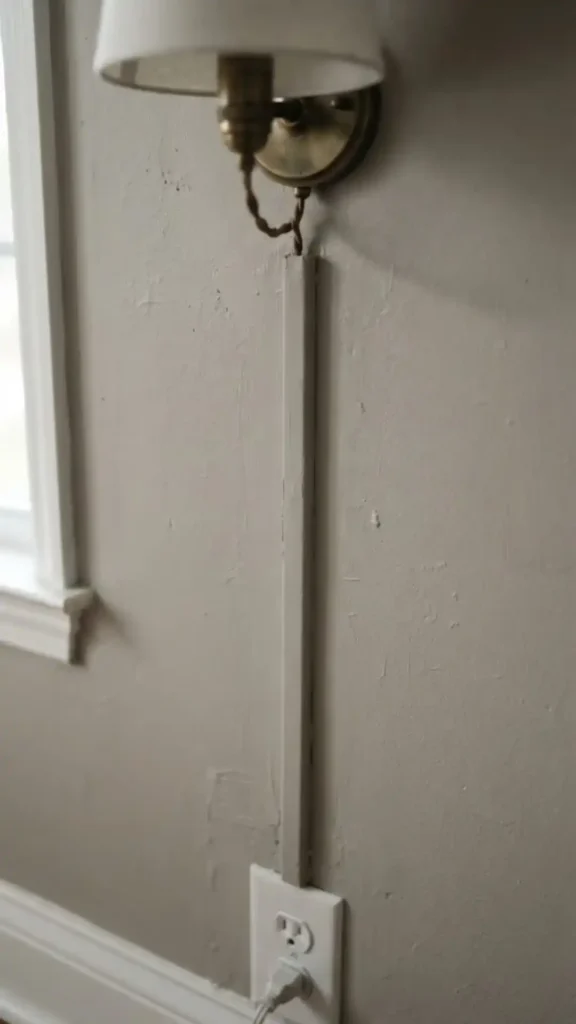
The placement of your plug-in sconces matters. Mount them about 60 inches from the floor for the best visual balance. You can find them in finishes like aged brass or matte black to fit any decor style.
The trick to making a plug-in sconce look expensive is hiding the wire. You should buy a metal or plastic cord cover. Paint the cover the exact same color as your wall paint so it disappears.
Apply two coats of your wall paint to the plastic cover to ensure the texture matches your drywall perfectly.
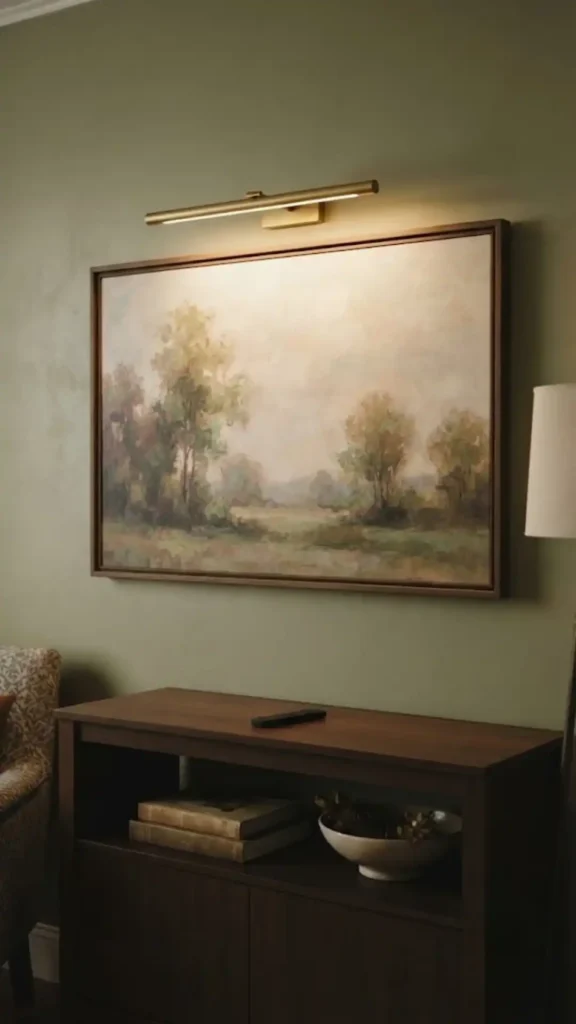
Picture lights are another brilliant way to add a layer of glow. You can mount a slim brass picture light above a favorite piece of art. A 14-inch brass picture light looks incredibly high-end when paired with a wide canvas painting. If you do not want to deal with cords at all, there is an easy workaround.
- Choose a hollow metal picture light fixture.
- Mount the fixture to the wall using basic screws.
- Stick a battery-operated LED puck light inside the shade.
- Use a remote control to turn the light on and off.
This setup adds a warm wash of light to your walls. You can buy puck lights that change color temperature with a remote to match your 2700K lamps. It makes a dark apartment feel intentional and layered instead of flat.
Table Lamps and Low-Level Lighting to Kill the “Big Light” Glare
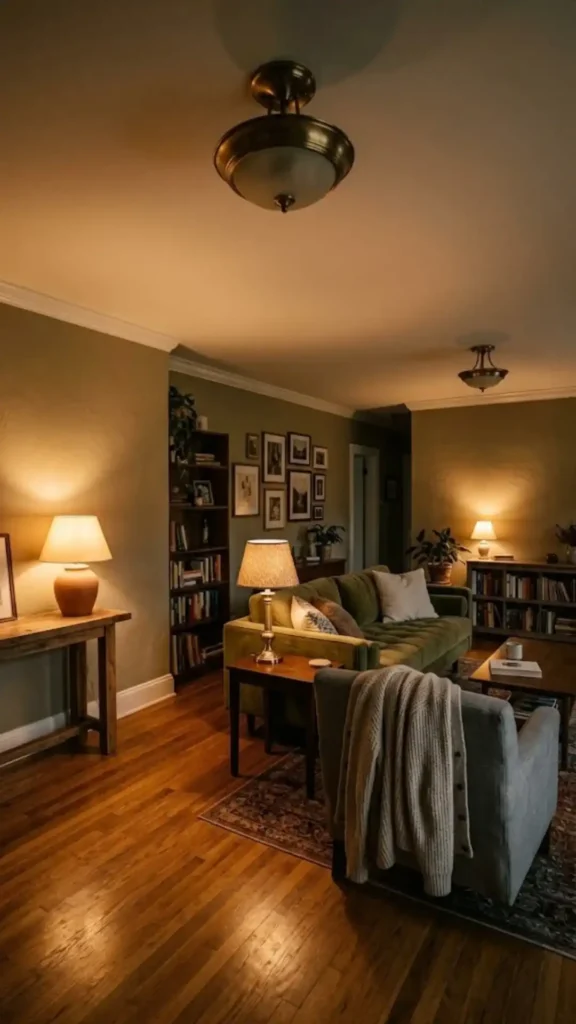
Relying on a single ceiling light makes a room feel harsh and unwelcoming. The glare casts heavy shadows in the corners. You need to turn off the main switch and use a table lamp strategy instead.
The goal is to place three to four smaller light sources around the perimeter of the room. Place one lamp on a console table, another on a side table, and a third on a bookshelf.
The height of your table lamp is important. A lamp that sits 24 to 28 inches tall is usually ideal for a side table next to a sofa.
This height hides the bare bulb from your eyes when you are sitting down. You want to space your lamps out so the light overlaps gently across the room.
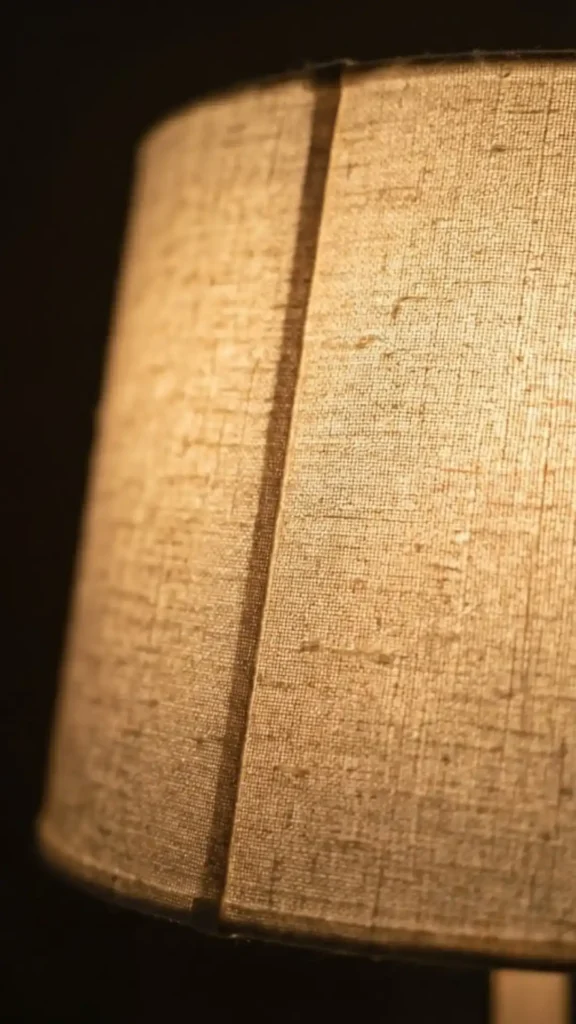
The material of your lampshade controls how the light feels. Textured linen shades are excellent for dimming harsh brightness. Look for linen shades that have a slight slub or weave to them. When the light shines through, it highlights the natural texture of the fabric.
The fabric diffuses the bulb into a soft, even glow that fills the space nicely. Avoid pure white drum shades in a dark room, as they can sometimes look too stark.
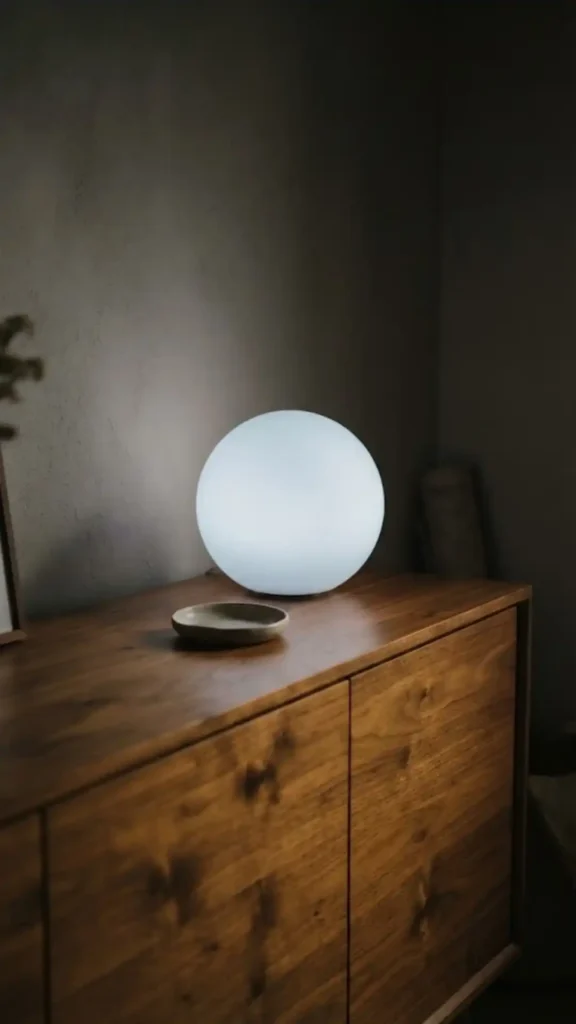
For a more modern look, try an opaque glass globe lamp. Frosted white glass hides the bulb completely. It radiates light in all directions, acting like a tiny glowing moon on your side table. A frosted globe lamp looks great sitting on a wood console table.
The contrast between the smooth white glass and the warm wood grain adds depth to a dim corner. These small glass lamps bring light down to eye level, which makes the entire room feel much warmer and more inviting.
Strategic Mirror Placement: Multiplying the Light You Already Have
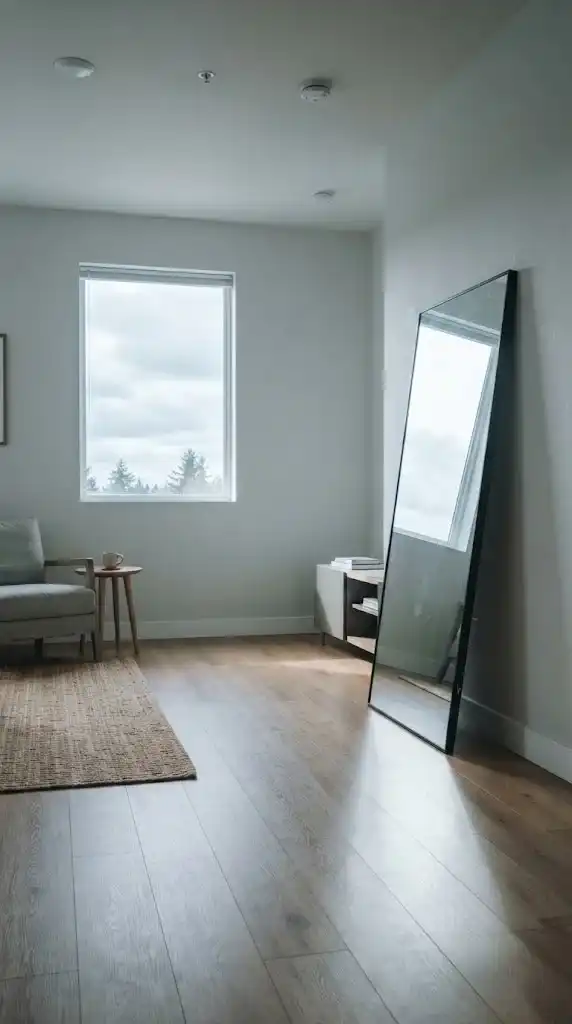
You have to make the most of whatever little light your apartment gets. An oversized floor mirror is the best way to double your available brightness. Think of a mirror as an extra window you can move around.
A floor mirror should be at least 65 inches tall to make a real impact. If your apartment has low ceilings, a tall mirror draws the eye up and creates the illusion of height.
The exact placement of your mirror dictates how much light you gain. If you have one small window, lean a large floor mirror directly opposite that window. The glass will catch the incoming daylight and bounce it straight back into the room.
You can also angle a floor mirror toward a light-colored adjacent wall. The light will bounce off the mirror, hit the white wall, and scatter across the room.
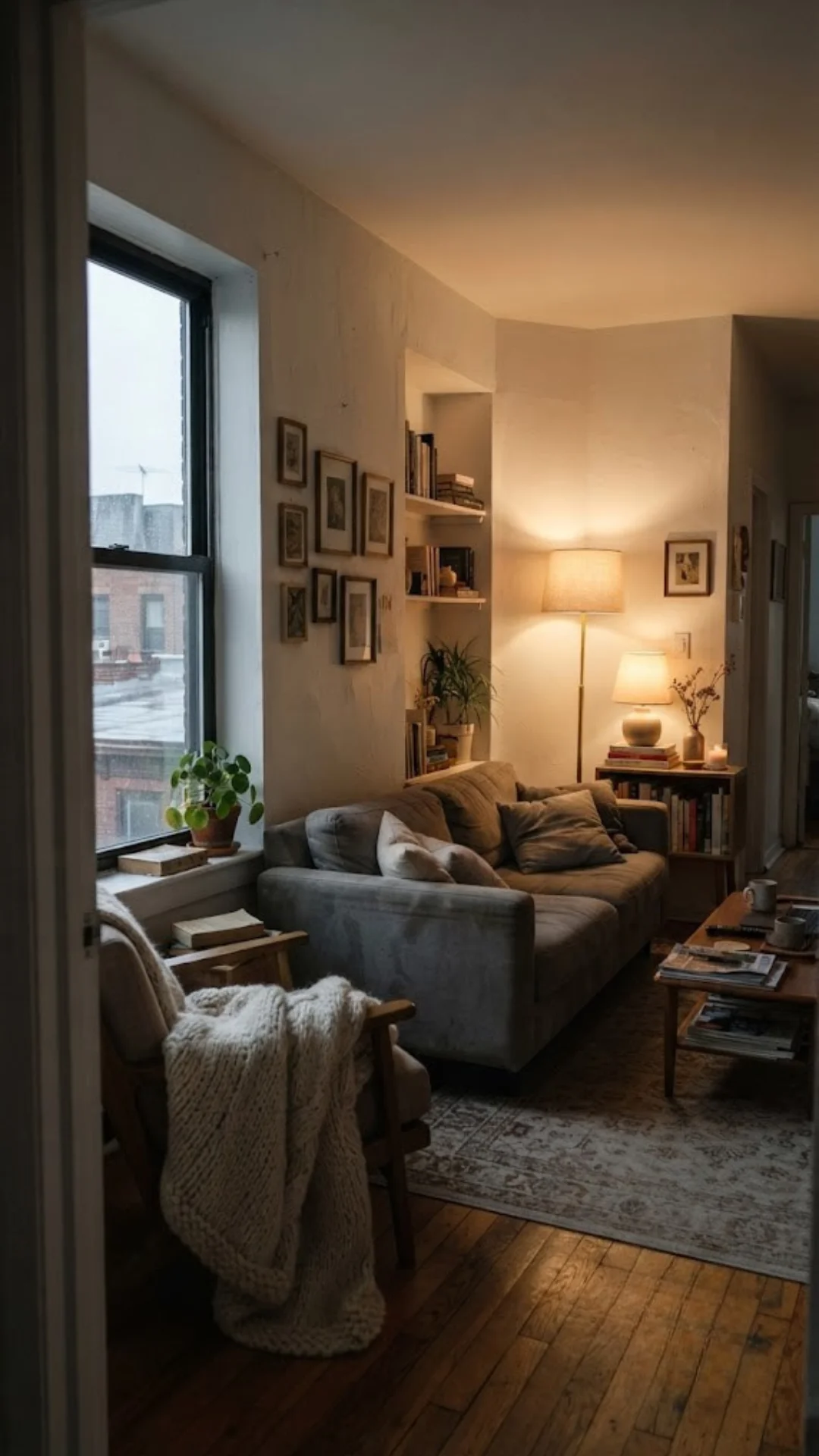
You can use this same trick in rooms with zero natural light. Hang a 30-inch round wall mirror directly behind a warm-toned table lamp.
A 30-inch round mirror is the perfect scale to hang above a standard 36-inch wide entryway table. The mirror will reflect the glow of the lamp shade and push that warmth out into the space.
When placing a mirror behind a lamp, position the bottom edge of the mirror a few inches below the lamp shade. This captures the maximum amount of light bounce.
Make sure the frame of the mirror matches your room style. A thin metal frame keeps things modern, while a thick wood frame adds texture. This simple trick multiplies your light source without using any extra electricity.
Lacking natural light is just an invitation to create a moodier, more beautifully curated evening aesthetic in your home. By thoughtfully layering your light sources, you turn a design challenge into your room’s best feature.
If you are looking to brighten up small spaces even more, you might enjoy reading our guide on selecting the best light-reflecting paint colors for dim hallways. You can also explore our tips for styling renter-friendly peel-and-stick wallpaper to add soft texture to a room without closing it in.