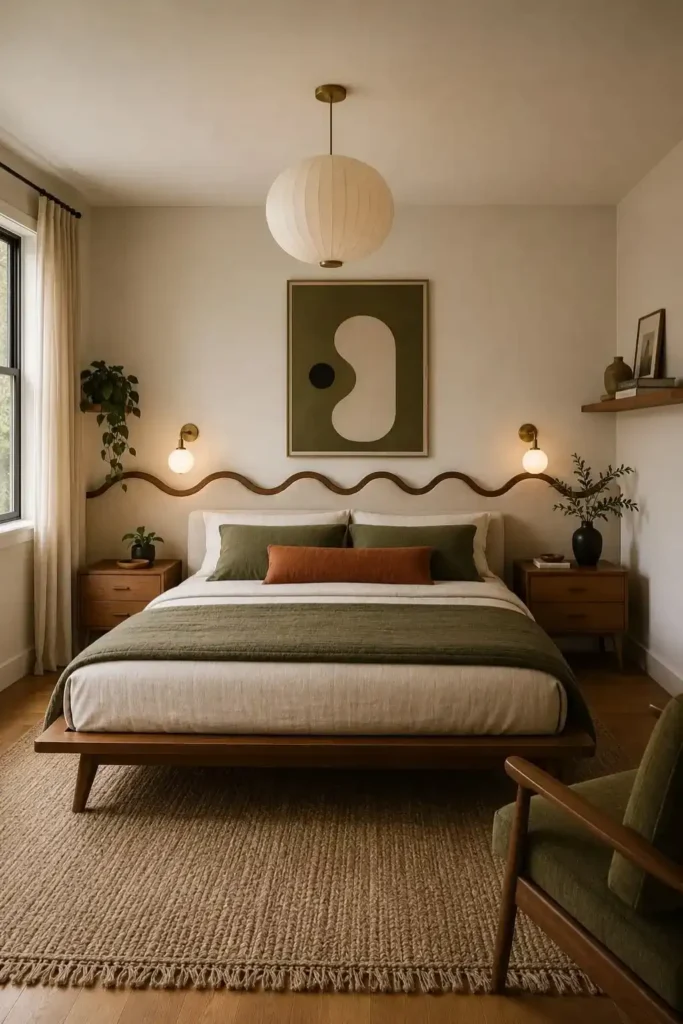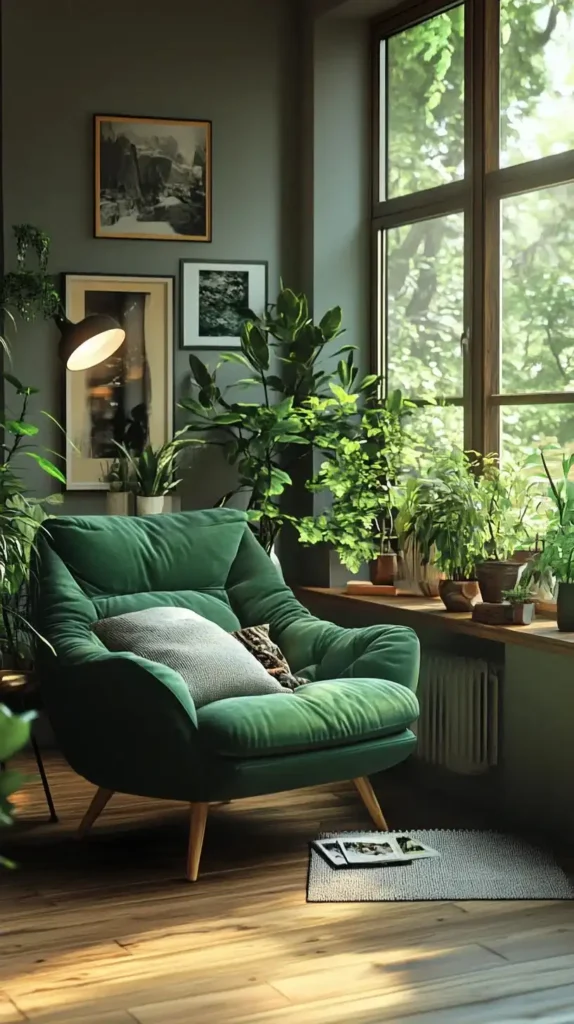
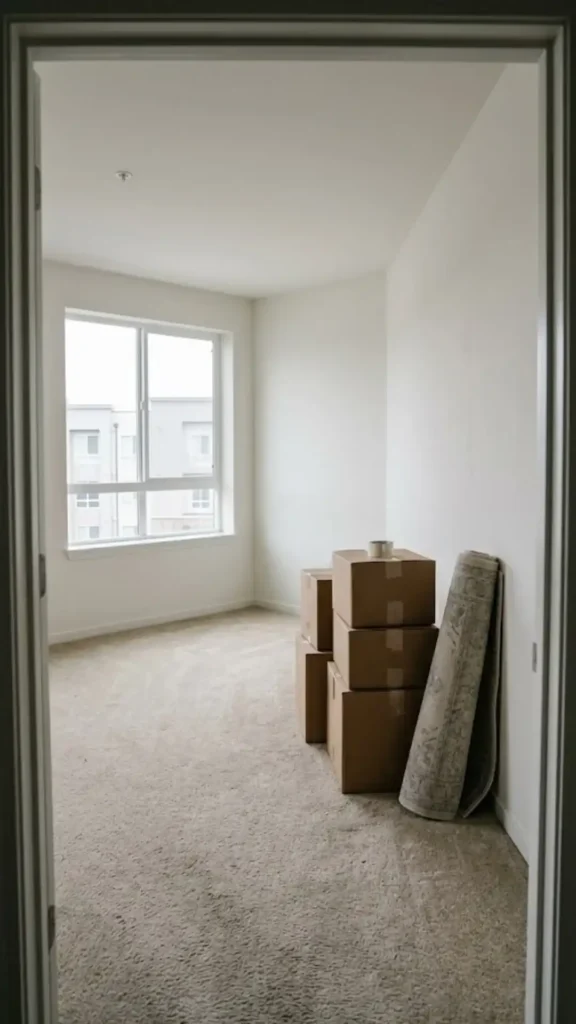
Move-out inspections strike fear into the hearts of renters everywhere. We have all stared at a blank white wall and decided to leave it bare instead of risking our precious security deposit. Unpacking boxes is exhausting enough without worrying about exactly how much a landlord charges for a single nail hole.
Living in a clinical white box is no way to spend a year of your life. Your apartment should feel warm, grounded, and uniquely yours from the moment you sign the lease. You can hang heavy art, secure linen curtains, and display trailing plants without forfeiting a single dollar of your deposit.
This guide covers realistic workarounds and damage-free hanging methods that keep both you and your property manager happy.
The Wall Tap Test: Knowing Your Drywall from Your Plaster
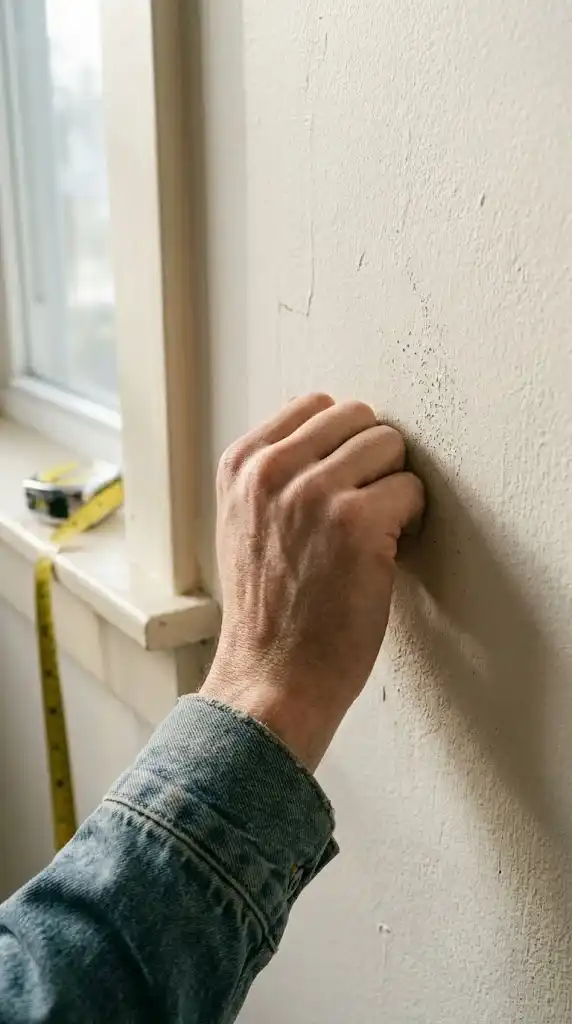
Before you buy a single hook or adhesive strip, you need to know exactly what kind of wall you are dealing with. Make a fist and lightly knock your knuckles against the wall in your living room. The sound you hear dictates exactly which hanging methods will work and which will fail spectacularly.
Renters usually encounter three main types of walls, and treating them all the same is a massive mistake:
- Standard Drywall: This sounds distinctly hollow when tapped. It is the standard material in modern apartment complexes and handles tiny nails beautifully.
- Lath and Plaster: This sounds like knocking on a solid rock and almost bruises your knuckles. It is incredibly common in historic buildings and apartments built before the 1950s.
- Painted Brick: Common in industrial lofts, this surface is dense and highly textured. It rejects adhesives and requires masonry tools to penetrate.
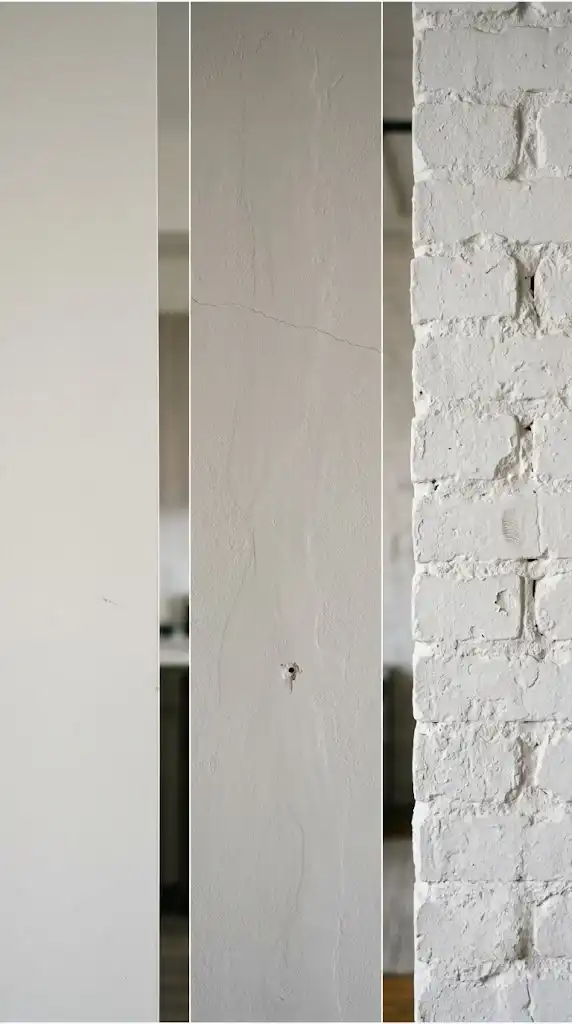
Adhesive strips absolutely hate lath and plaster walls. The textured, slightly dusty surface of old plaster prevents the glue from forming a secure chemical bond.
You will likely wake up to the sound of your favorite framed print crashing to the hardwood floor. Plaster also chips outward in large, unpredictable chunks if you try to drive a standard nail into it.
Standard drywall is completely different and much more forgiving for renters. Modern half-inch sheetrock has a smooth paper surface that holds heavy-duty adhesives beautifully.
It also takes small metal nails without crumbling into a dusty mess. If your knuckle tap produces a hollow thud, you have plenty of reliable options.
Knowing your surface material means the difference between a secure gallery wall and shattered picture glass at two in the morning.
Mastering the Command Strip (Because Most People Skip the Crucial Step)
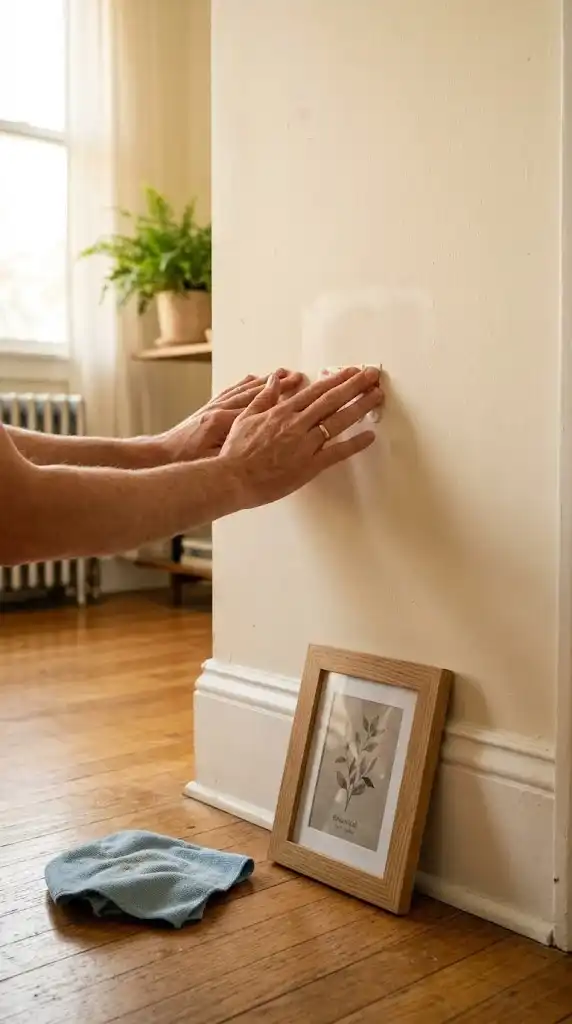
Every renter has a horror story about adhesive strips failing and taking a massive chunk of paint down with them. The product usually works exactly as promised on the packaging. We simply rush the application process because we want the artwork up immediately.
The absolute most important step happens before the sticky strip ever touches the painted wall. Wall paint collects invisible airborne dust and cooking grease that completely ruins adhesive bonds.
Skip the cleaning phase, and you are just gluing your expensive art to a microscopic layer of apartment dirt.
Follow this exact application process to ensure the strips actually hold the weight:
- Clean the exact spot with basic rubbing alcohol and a clean microfiber cloth, then let it air dry for five full minutes.
- Press the sticky side of the strip firmly against the wall for a full thirty seconds, counting out loud to maintain sustained physical pressure.
- Pull the frame gently off the wall, leaving the wall-side strip in place, and let the adhesive cure for a minimum of one hour.
- Click the frame back onto the wall strips to lock the velcro securely together.
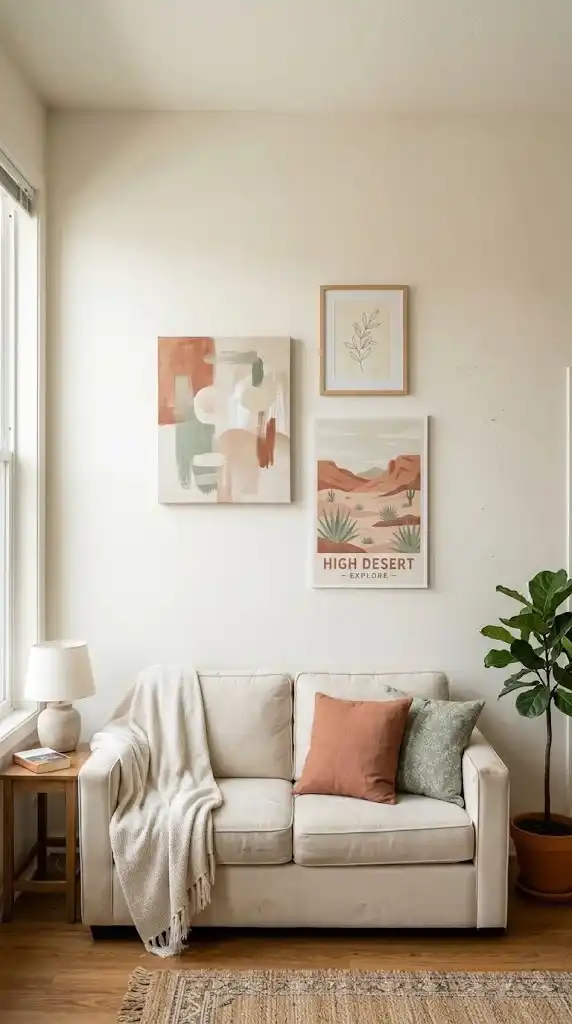
Heavy-duty velcro strips are brilliant pieces of engineering, but they have a strict physical limit. A standard four-pack of large strips tops out at a sixteen-pound maximum capacity. Do not try to hang a heavy vintage mirror or a solid oak frame on velcro strips.
Stick to lightweight wooden frames, stretched canvas paintings, or unframed posters mounted on foam board.
Treat the installation process like a tiny science experiment, and your art will stay locked firmly in place until your lease ends.
Tension Rods: The MVP of Damage-Free Curtains and Storage
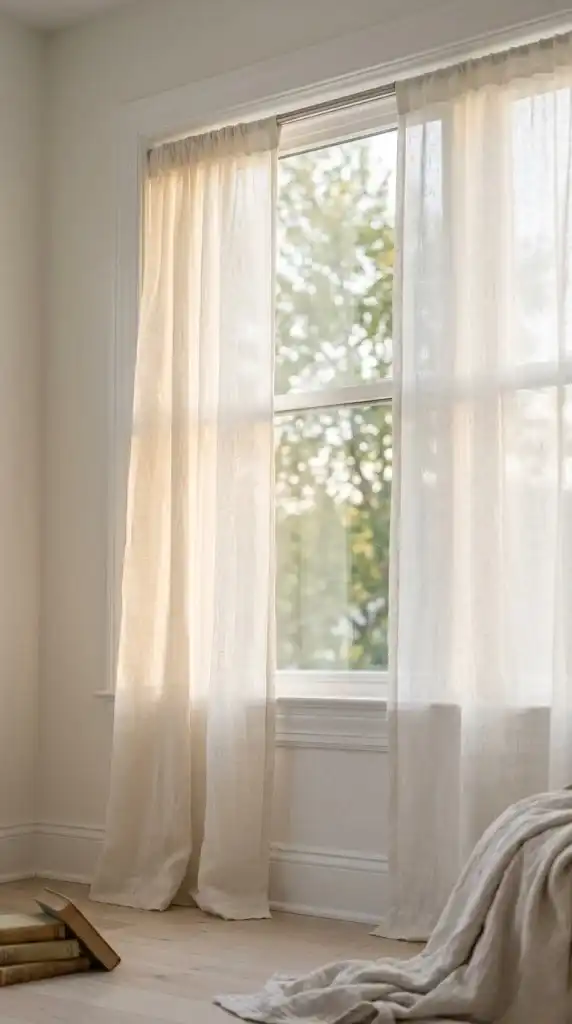
Window treatments instantly make a temporary apartment feel like a permanent, intentionally designed home. But drilling heavy metal curtain brackets into wooden window frames is a guaranteed way to lose your security deposit.
Landlords frequently check window frames for structural damage during the final walk-through.
A heavy-duty spring tension rod solves this exact problem in about sixty seconds. You just twist the metal pole to expand it until it wedges tightly inside the inner window frame itself.
Look for steel rods with thick rubber end caps. These rubber bumpers grip the frame securely while protecting the surrounding white paint from permanent scratches.
This simple method perfectly supports lightweight linen curtains or sheer cotton privacy panels. The internal spring tension holds the fabric beautifully without requiring a single metal screw.
You can span widths from twenty-eight inches up to forty-eight inches using standard hardware store rods.
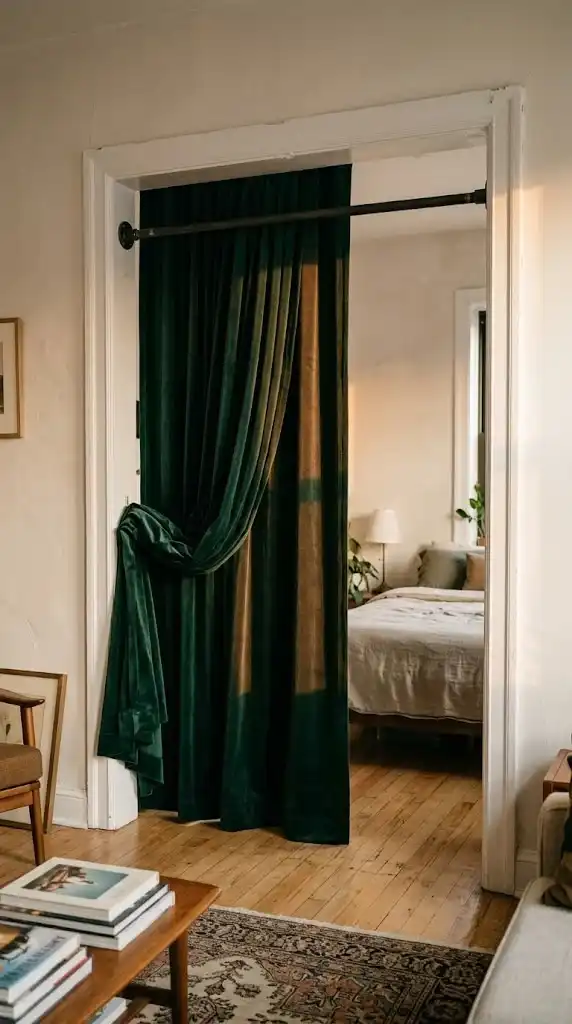
These adjustable rods solve more than just standard window problems. If your apartment has an awkward bedroom alcove or an open doorway, wedge a thick tension rod across the upper gap.
You can use it to hang a woven macrame piece or divide a studio living space with a heavy velvet curtain. They also work brilliantly placed low inside hollow closets to double your hanging shoe storage capacity.
You get the cozy, finished look of custom textiles without ever opening a toolbox or asking for permission.
Tiny Holes, Big Impact: When You Actually Should Use a Nail
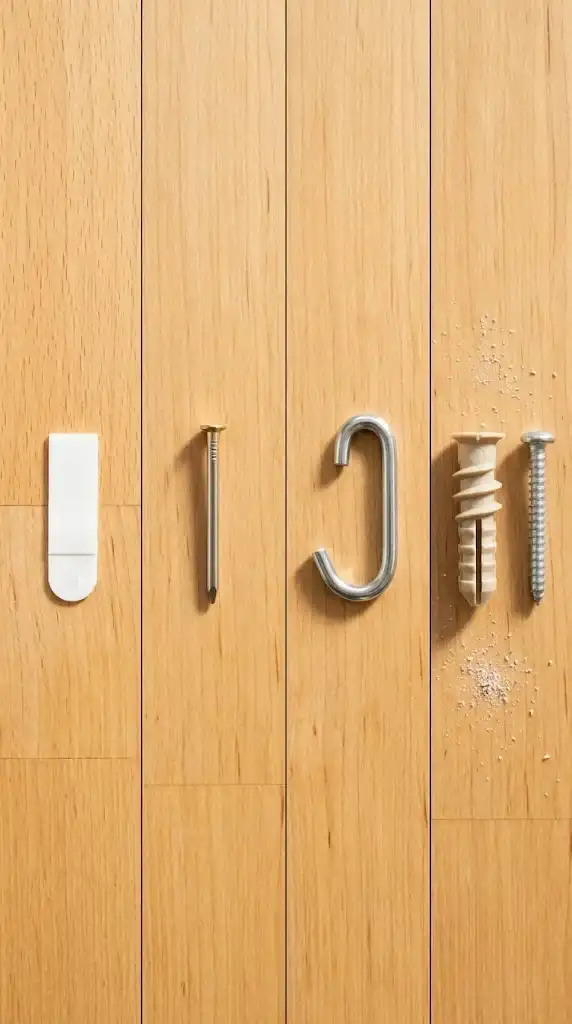
Sometimes adhesive strips just will not cut it for heavy, valuable, or sentimental pieces of wall decor. The secret most property managers will not tell you is that a few tiny pinholes usually qualify as normal wear and tear under a standard lease agreement.
A standard one-inch picture nail does virtually no structural damage to standard drywall. The puncture is so small it barely casts a shadow. Monkey Hooks are an even better hardware solution for renters.
These thin, curved steel wires slide straight through the drywall and brace firmly against the back of the panel. You push them right through the wall using only your thumb.
The weight capacity differences between hardware options are massive:
- Adhesive Strips: Hold up to sixteen pounds maximum and work best for lightweight canvas.
- Standard Picture Nails: Hold up to ten pounds and work nicely for small wooden frames.
- Monkey Hooks: Hold up to fifty pounds and easily support heavy mirrors or large gallery frames.
- Drywall Anchors: Require a power drill, leave a massive hole, and often cost you your deposit.
You must actively avoid chunky plastic drywall anchors. Those thick ribbed plastic sleeves require drilling a hole that your landlord will absolutely notice and penalize you for. Never use a power drill or a plastic wall anchor unless you have written, signed permission from your property manager.
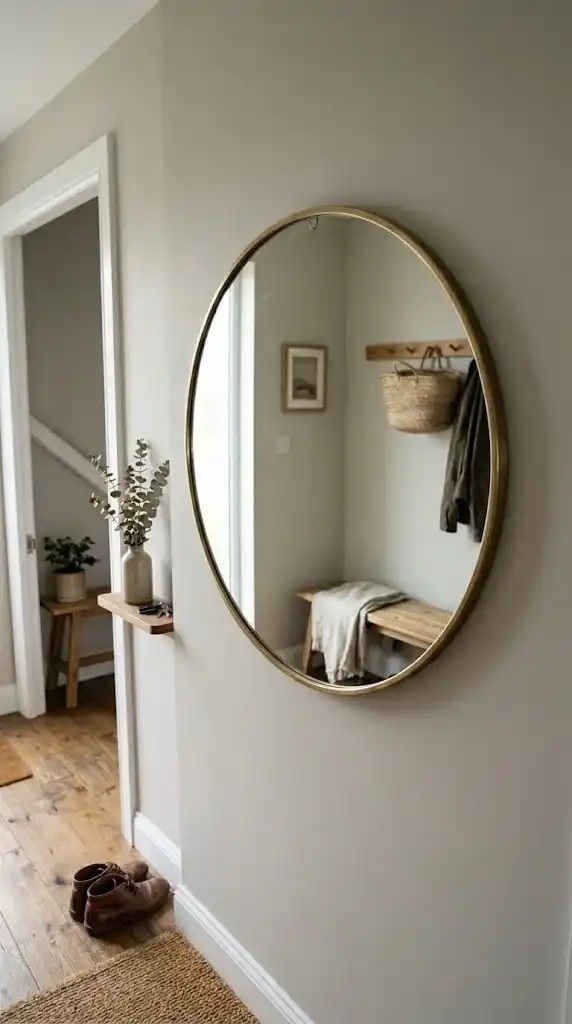
Save the tiny steel nails and curved wire hooks for heavy framed artwork, small floating wooden shelves, or large mirrors that exceed adhesive limits. Keep them completely out of old plaster walls to avoid causing massive structural cracks.
A thumbtack-sized hole is a very small price to pay for finally getting that heavy antique mirror off the living room floor.
The Ceiling Dilemma: Suspending Plants Without Bringing Down the Roof
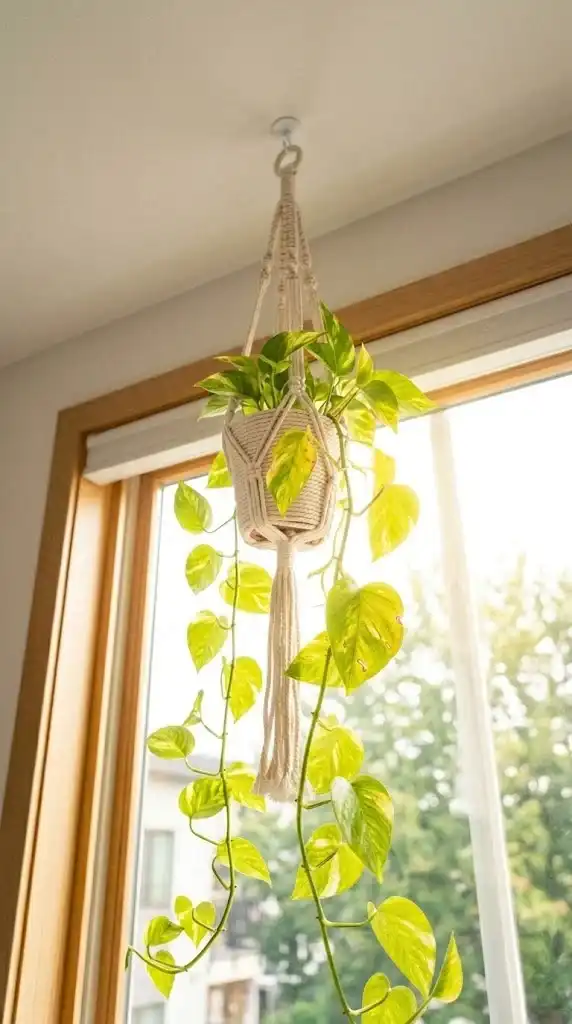
Trailing greenery hanging near a sunny apartment window makes any small space look vibrant and alive. But residential ceilings present a completely different set of physical challenges than vertical living room walls.
Gravity pulls straight down on ceilings, making traditional hanging methods incredibly dangerous for your plants and your floors.
Do not ever stick an adhesive strip to a heavily textured popcorn ceiling. The downward weight of the hook will immediately pull the heavy plaster texture loose, leaving a flat bald spot you cannot easily fix yourself.
Even flat painted ceilings are risky because standard adhesive hooks are designed for sheer vertical force, not direct downward pulling.
If you want a hanging planter without drilling, use an adhesive Swag hook specifically rated for horizontal tension. These specialized plastic hooks distribute the downward weight differently than standard wall hooks.
Stick them only to flat, smooth ceiling patches or painted wooden architectural beams. Press the pad firmly against the ceiling for thirty full seconds, just like you would on a vertical wall.
You must keep the actual hanging weight incredibly light to prevent accidents. Choose a small plastic nursery pot instead of a heavy glazed ceramic planter. A plastic pot wrapped in a lightweight cotton macrame hanger looks beautiful and weighs almost nothing.
Fill that small plastic pot with a lightweight trailing plant. A golden pothos or a string of pearls thrives indoors and requires very little heavy, wet soil. A small pothos in a plastic pot weighs less than two pounds even directly after a heavy watering in the kitchen sink.
You get the lush, greenhouse vibe you want without waking up to wet potting soil scattered all over your vintage rug.
The Move-Out Eraser: Patching Holes Like They Never Happened
A few days before you hand over your apartment keys, you need to systematically erase the evidence of your decorating.
This simple repair process is incredibly cheap, requires zero home improvement experience, and takes less than an hour to complete. Property managers look for obvious damage, and a smooth wall passes the inspection every time.
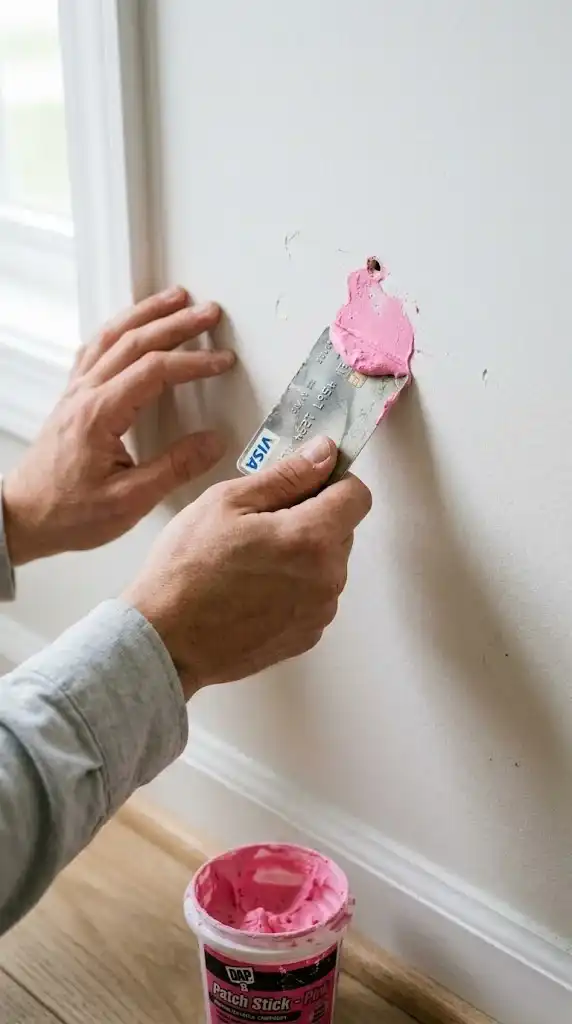
Go to the local hardware store and buy a tiny tub of color-changing lightweight spackle. This brilliant product goes on bright pink and turns stark white when it completely dries.
The distinct color shift tells you exactly when the compound is ready to be sanded or painted. It fills tiny thumbtack holes and small picture nail marks flawlessly.
You do not even need to buy a real metal putty knife to fix small holes. Scoop a tiny amount of the pink spackle onto the rigid edge of an old plastic credit card.
Swipe the flat edge of the plastic card firmly over the hole to press the putty flush with the surrounding wall. Once the bright pink turns chalky white, gently smooth the spot with a small square of fine 220-grit sandpaper.
For lingering adhesive scuffs or dark marks left by wooden picture frames, grab a damp Magic Eraser. Gently buff the spot until the wall paint looks fresh and clean again.
Do not scrub too hard, or you will accidentally remove the top layer of flat wall paint and create a noticeable shiny spot.
You can confidently walk your landlord through the empty apartment knowing the walls look exactly like they did on day one.
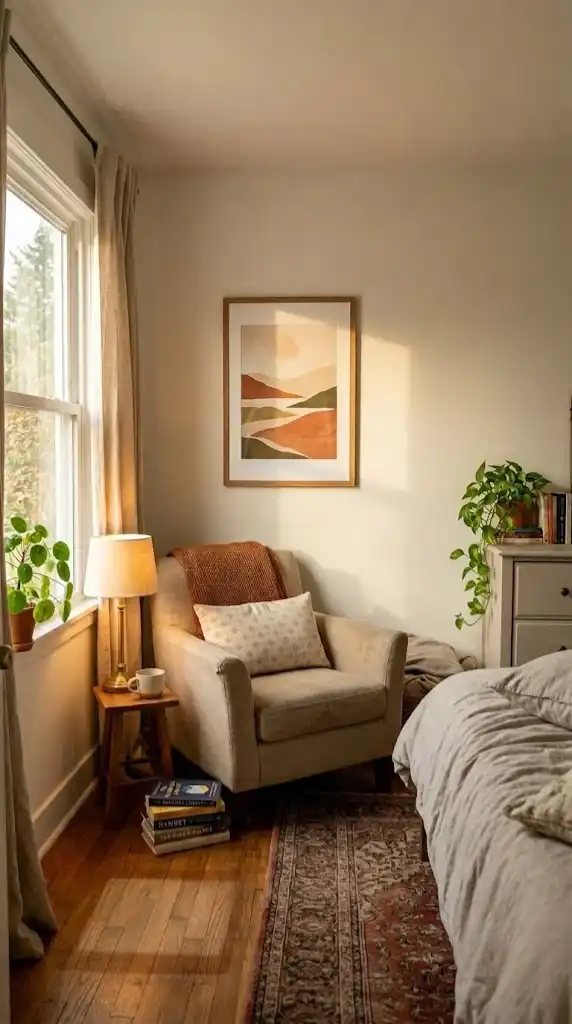
Your temporary rental is your real home right now, and it genuinely deserves to look like you actually live there. Do not wait until you hold a thirty-year mortgage to surround yourself with art, plants, and textiles that make you happy.
A beautiful, deeply personalized space is completely possible in a rental, and it is always worth the price of a small tube of spackle. Go hang that framed print you have had sitting on the bedroom floor for three long months.
If you are looking for more damage-free ways to upgrade your rental apartment, you might enjoy reading about how to lay down temporary peel-and-stick floor tiles without damaging the ugly linoleum underneath.
You could also check out our simple guide on making cheap apartment lighting look incredibly expensive with just a few smart bulb swaps.