
Most people look at perfectly styled social media photos and assume you need a massive savings account or a brand-new luxury fifth-wheel to hit the road. That expectation ruins the dream before it even begins.
If you want to know how to start full-time RV living without drowning in debt or giving up after a single month, you have to look past the aesthetic. The truth is that a tight budget forces you to make smarter, safer choices from day one, even if you have zero mechanical experience.
This practical guide gives you a realistic blueprint to transition from a traditional home into a functional, budget-friendly rig. You will learn how to audit your finances, select a reliable used trailer, and survive your first night without an expensive campground hookup.
This process takes about 30 days of active preparation and planning, but it prevents the massive, budget-crushing mistakes that send most beginners packing. Grab a notepad, set aside the fear, and let’s get your mobile life moving.
What You Need
Tools & Tech
- Pinless moisture meter (for inspection)
- Smartphone with GPS capability
- Campendium / iOverlander accounts
- Basic socket wrench set
Financials & Planning
- 3 months of basic living expenses
- $1,500 dedicated rig repair fund
- Vehicle maximum towing specifications
- Paper notebook or tracking spreadsheet
At a Glance: The Road Map
- Audit your current monthly spending habits
- Build a dedicated mobile emergency fund
- Select a used bumper-pull travel trailer
- Inspect the rig for hidden water damage
- Downsize your possessions to fit the small space
- Plot your route using free camping coordinates
- Run a 24-hour driveway test before launching
Audit your current monthly spending habits

Look at your bank statements from the last 3 months to uncover every recurring subscription and hidden expense. Track down every dollar spent on dining out, insurance, and utilities. You need a baseline number to understand how much money your current lifestyle demands before you can shrink it down.
Write these numbers down in a spreadsheet or a standard paper notebook. Knowing this baseline protects you from underestimating your upcoming mobile fuel and grocery costs.
Build a dedicated mobile emergency fund

Open a separate high-yield savings account completely disconnected from your daily checking card. Deposit enough cash to cover 3 months of basic living expenses plus an extra $1,500 specifically earmarked for sudden mechanical breakdowns or emergency towing.
Rigs break down at the most inconvenient moments, and mobile mechanics charge premium rates. Having this cash accessible prevents a blown tire or a broken water pump from ending your journey prematurely.
Select a used bumper-pull travel trailer
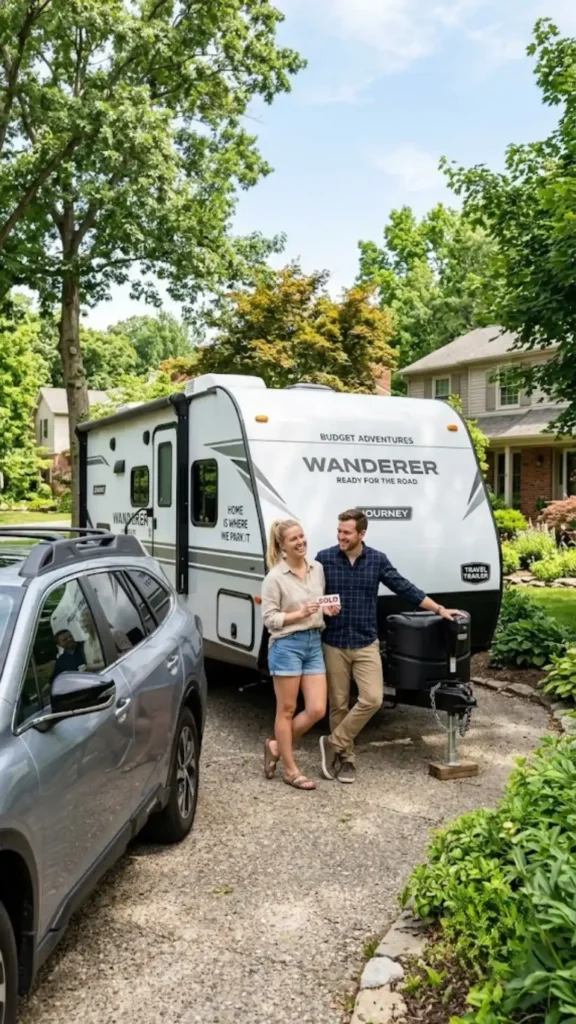
Search online marketplaces for a lightweight fiberglass or aluminum travel trailer built between 2010 and 2018 that measures under 25 feet. Shorter trailers grant you access to cheaper state parks and free public land campsites that turn away massive rigs.
Ensure your current everyday vehicle has a manufacturer towing capacity that exceeds the trailer’s maximum weight by at least 1,500 pounds. Choosing an older, smaller model keeps your initial purchase price low and eliminates monthly loan payments.
Inspect the rig for hidden water damage
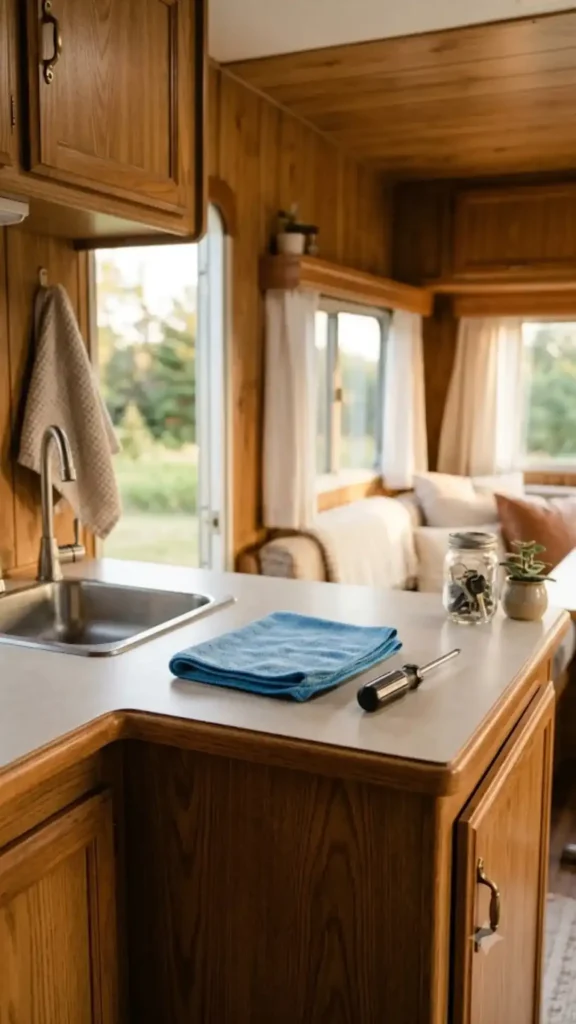
Water is the ultimate enemy of any older trailer. Press your hands firmly against the interior walls around the roof seams, windows, and inside the lower cabinets to check for soft spots. Use a pinless moisture meter on the ceiling panels to detect hidden dampness behind the paneling. A reading above 20% indicates an active leak that will require expensive rot repairs.
If the floor flexes or feels spongy near the door or under the bathroom toilet, walk away immediately. Replacing a rotted subfloor requires stripping the rig down to the metal chassis, which costs thousands of dollars and destroys your budget before you ever hit the road.
Downsize your possessions to fit the small space

Three storage boxes are all you get for personal items. Sort your belongings into three distinct piles: keep, donate, and trash. If you have not used an item in the past 6 months, it does not belong in the rig. Weigh your heavy kitchen gear and swap out heavy ceramic plates for lightweight, unbreakable melamine alternatives to stay within your trailer’s cargo-carrying capacity.
Plot your route using free camping coordinates
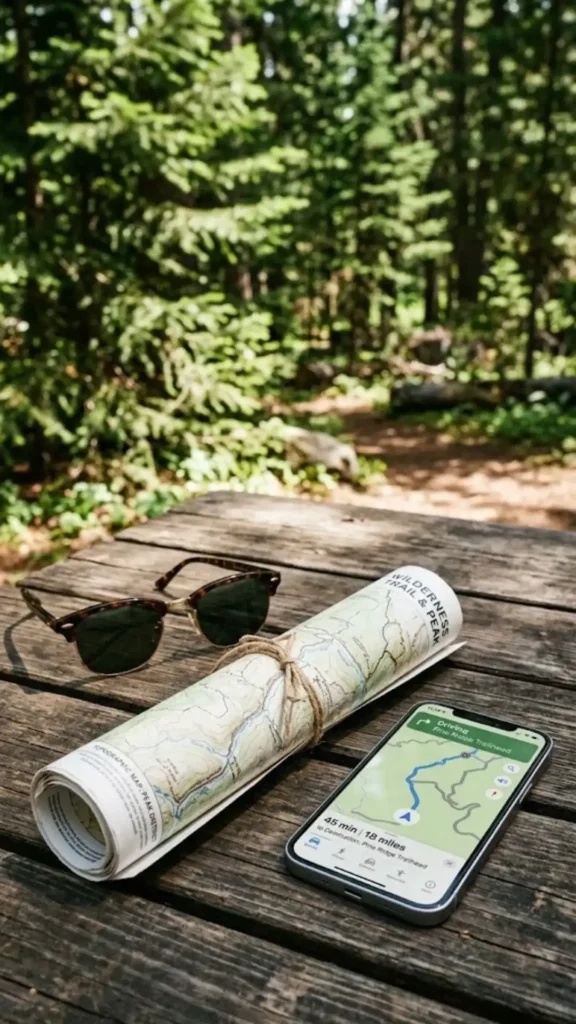
Free public lands offer the best way to live on a budget without paying $50 nightly campground fees. Open your camping locator apps and filter specifically for Bureau of Land Management (BLM) land or National Forest areas along your intended path. Pin three potential camping spots for every destination so you have immediate backup options if your first choice is full or inaccessible.
Always switch your navigation app to satellite view before driving down a dirt road. Look closely for wide dirt turnarounds or low-hanging tree canopies that could trap your trailer. If the road looks narrow or washed out on the screen, do not risk your rig trying to navigate it blindly.
Run a 24-hour driveway test before launching
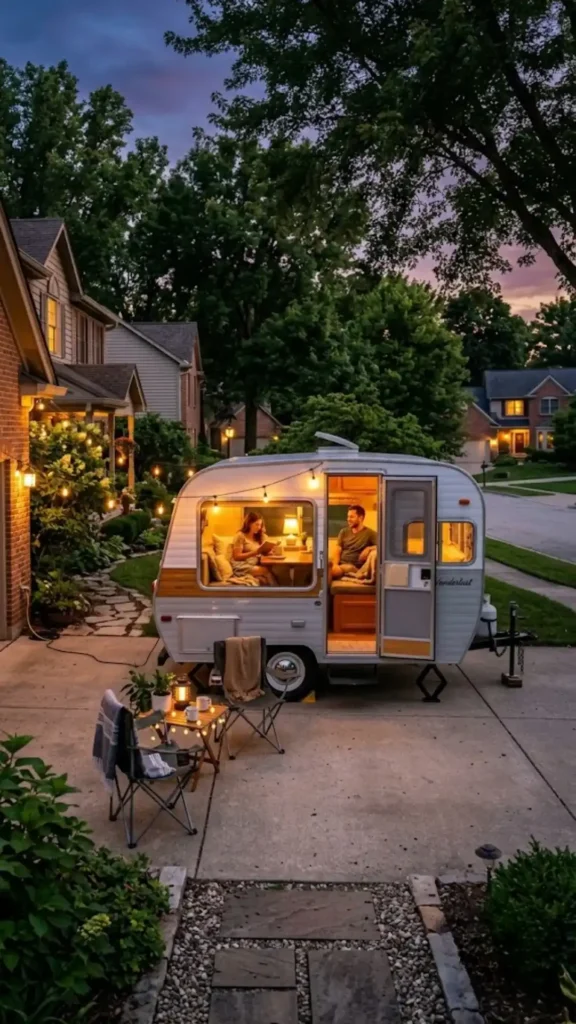
Park the trailer in a driveway or a nearby campsite for one full night without plugging into any power outlets or city water lines. Cook your meals using the onboard propane, run the plumbing using only the water pump, and sleep on the rig’s mattress. This trial run reveals exactly how long your house batteries will last and flags hidden appliance issues before you are miles away from help.
Troubleshooting Common Roadblocks
| If This Happens | Try This |
|---|---|
| House batteries drain completely overnight. | Unplug your device chargers when not in use. Turn off the safety antenna booster switch, change all interior lightbulbs to low-draw LEDs, and avoid using inverter-powered appliances after dark. |
| The cell signal drops to zero at a free site. | Mount a directional antenna booster to your rear ladder. If the signal stays dead, pack up and move back toward the main highway exit until you establish at least two bars of functional data. |
| The fresh water tank runs completely dry early. | Screw a low-flow aerator onto your kitchen faucet. Take navy showers by turning the water off while lathering soap, and use biodegradable paper plates to cut down on dishwashing water usage. |
| A park ranger asks you to leave public land. | Remain polite, pack your leveling blocks quickly, and pull out your app to find the nearest alternative coordinates. Check for hidden local stay-limit signs that you might have missed when arriving. |
Beginner RV Living Questions Answered
Yes, but you must establish a legal domicile address for taxation, insurance, and licensing purposes. Most nomads utilize mail forwarding services based in states like South Dakota, Texas, or Florida to handle this paperwork legally.
You can use General Delivery at local United States Post Offices, which holds mail for travelers free of charge. For retail store deliveries, look for locker pick-up locations or ask small local campgrounds if they accept guest arrivals.
A standard two-person household typically fills their black (toilet) and gray (sink and shower) tanks every five to seven days. You can locate public dump stations at highway truck stops, state parks, and select gas stations using your camping locator apps.
Quick Reference Checklist
Screenshot this sheet for your weekend planning
Pinless moisture meter • 3 months of expenses saved • $1,500 repair cash • Vehicle towing specs • Camping locator apps
- Audit your current monthly spending habits using 3 months of bank data.
- Build a dedicated mobile emergency fund with a separate savings card.
- Select a used bumper-pull travel trailer under 25 feet in length.
- Inspect the rig for hidden water damage using a pinless moisture meter.
- Downsize your possessions to fit into three simple storage boxes.
- Plot your route using free camping coordinates on public lands.
- Run a 24-hour driveway test before launching your mobile life.
You now have a realistic, step-by-step roadmap for how to start full-time RV living without draining your wallet or jumping in blind. Transitioning to a mobile lifestyle takes preparation, but managing your cash and checking for water leaks protects your investment. Your next move is to open your bank statements and start that initial spending audit tonight.
Save this post to your favorite travel or nomad board on Pinterest so you can reference these steps when you start shopping for trailers this weekend!

